
What Is a Defence Capability Partner?
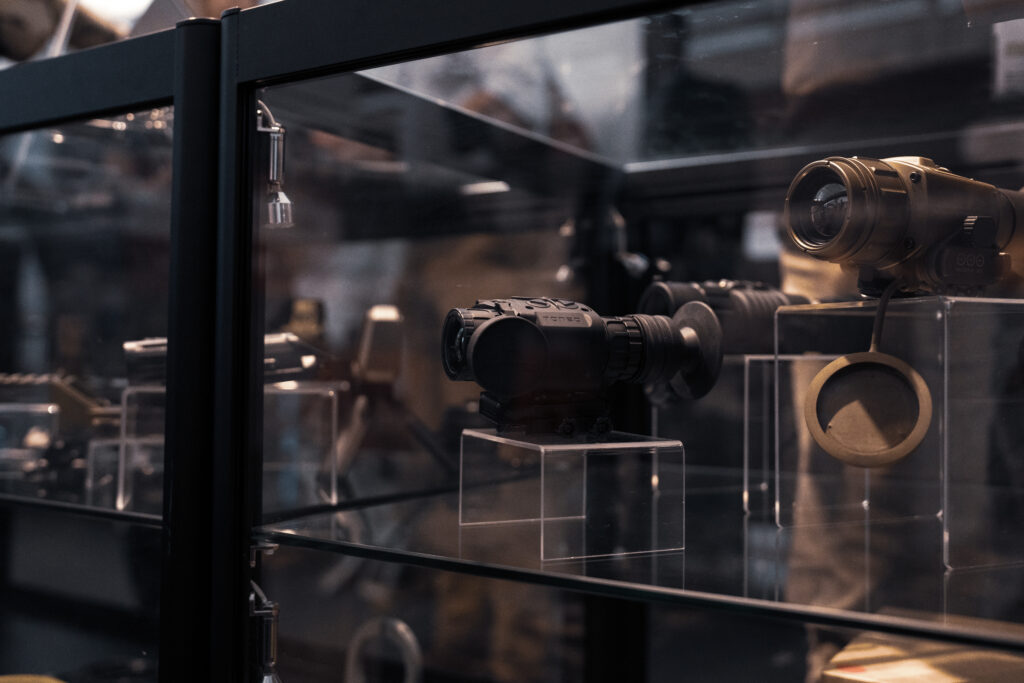
A defence capability partner is an organisation that goes beyond simply supplying military equipment. Rather than delivering individual products, a capability partner works with defence, law enforcement and security organisations to integrate equipment, training, technical expertise and ongoing support into a complete operational solution that improves mission effectiveness.
The difference is significant. A supplier delivers a product. A capability partner helps ensure that product works as part of a wider system, fits the user’s operational requirements, integrates with existing equipment, and is supported throughout its service life.
Modern military operations are increasingly dependent on interconnected systems. Body armour must work alongside load carriage equipment. Night vision devices need to integrate with helmets and power management systems. Communications equipment must interface with sensors, targeting systems and command networks. Even the best individual piece of equipment cannot deliver its full potential if it has not been properly integrated into the wider capability.
This shift from product procurement to capability delivery is transforming how armed forces, police services and government agencies acquire equipment and improve operational readiness.
Why Defence Organisations Need More Than Equipment
For decades, defence procurement focused primarily on purchasing individual items of equipment. Contracts were often awarded based on technical specifications, price and availability. While these factors remain important, today’s operational environment demands a far more holistic approach.
Modern operators rarely use equipment in isolation.
A soldier may simultaneously rely on:
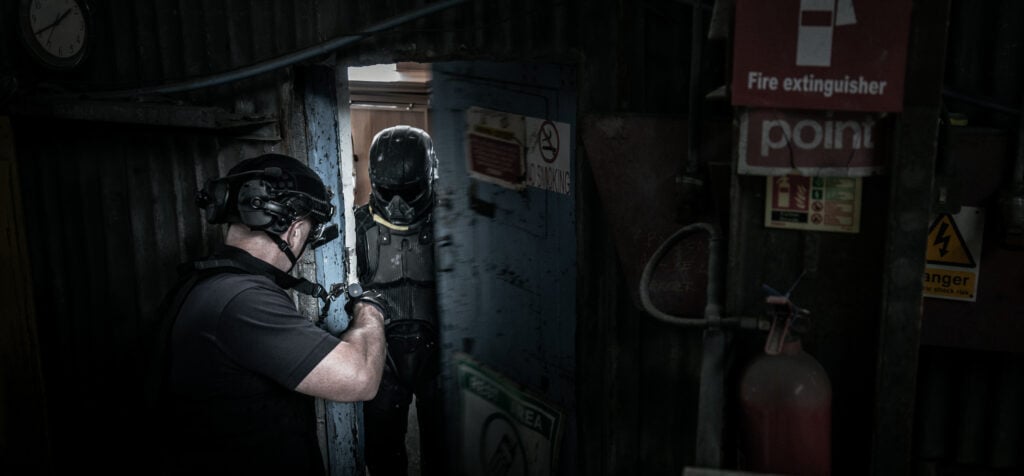
- Ballistic protection
- Load carriage systems
- Communications equipment
- Night vision devices
- Weapon sights
- Thermal imagers
- Navigation systems
- Battlefield management software
- Power management equipment
- Uncrewed systems
Each component must function not only individually but as part of an integrated system.
If one element performs poorly or conflicts with another, the effectiveness of the entire capability can be reduced.
Operational success therefore depends upon how well equipment works together—not simply how well individual products perform during testing.
This is where a defence capability partner adds value.
The Difference Between an Equipment Supplier and a Capability Partner
Many organisations describe themselves as defence equipment suppliers, but there is an important distinction between supplying equipment and delivering operational capability.
Equipment Supplier
An equipment supplier typically focuses on:
- Manufacturing or distributing products
- Meeting procurement specifications
- Delivering equipment on time
- Managing logistics
- Product warranties
Once delivery has been completed, the relationship may largely end.
Defence Capability Partner
A capability partner supports the customer throughout the capability lifecycle by providing:
- Operational requirement analysis
- Equipment selection
- Product evaluation
- Systems integration
- Technical consultancy
- User trials
- Training
- Certification support
- Through-life support
- Upgrades
- Research and development
- Future capability planning
The emphasis moves from supplying equipment to improving operational outcomes.
Ultimately, defence organisations are not purchasing equipment for its own sake—they are investing in capabilities that enable people to perform more effectively in challenging environments.
What Does Integrated Operational Capability Mean?
Integrated operational capability refers to combining people, equipment, training, technology and support into a cohesive system that delivers a measurable operational advantage.
This involves much more than assembling compatible products.
It means understanding how operators actually work.
Questions that must be considered include:
- How will the equipment be carried?
- How quickly can it be deployed?
- Can it be used wearing gloves?
- Does it interfere with body armour?
- Is it compatible with existing communications?
- Can it operate in extreme environments?
- Is maintenance practical in the field?
- Can operators learn to use it quickly?
- Does it reduce fatigue or increase it?
These practical considerations often determine whether equipment succeeds during operations.
Capability partners work alongside users to answer these questions before procurement decisions are made.
Equipment Integration Is Critical to Mission Success
One of the most valuable roles of a defence capability partner is ensuring effective equipment integration.
Modern military systems have become increasingly interconnected.
A helmet, for example, may support:
- Night vision goggles
- Hearing protection
- Communications headsets
- Helmet-mounted displays
- Cameras
- Identification devices
- Battery packs
- Counter-UAS sensors
Each additional component affects:
- Weight distribution
- Balance
- Comfort
- Fatigue
- Power requirements
- Cable management
- Safety
- Ease of use
Poor integration can reduce operational effectiveness despite every individual component meeting its specification.
Good integration creates a system that feels intuitive to the operator and supports decision-making under pressure.
Human Performance Matters as Much as Technology
Military capability is ultimately delivered by people.
Technology should enhance human performance rather than complicate it.
A defence capability partner considers factors including:
Ergonomics
Equipment must fit correctly and remain comfortable during prolonged use.
Cognitive Load
Complex systems increase mental workload. Good integration simplifies operation rather than adding unnecessary tasks.
Mobility
Additional equipment inevitably increases weight.
Balancing protection, capability and mobility requires careful assessment.
Endurance
Reducing fatigue improves operational effectiveness over extended missions.
Situational Awareness
Equipment should improve the user’s ability to gather, interpret and share information without creating unnecessary distraction.
These human factors are increasingly recognised as central to successful capability development.
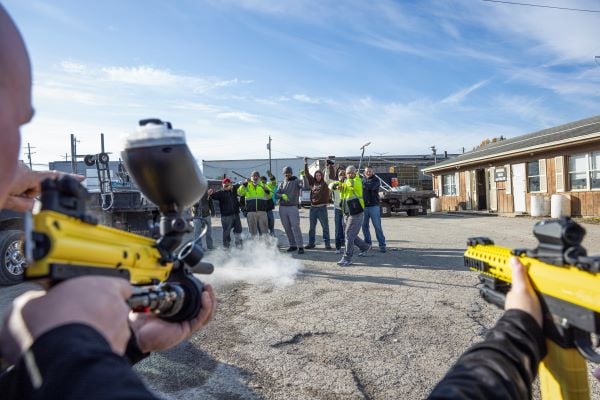
Training Turns Equipment into Capability
Even the most advanced equipment cannot improve operational effectiveness if users lack confidence or competence.
Training is therefore a fundamental component of capability delivery.
A capability partner supports organisations by providing:
- Initial user training
- Instructor development
- Tactical application
- Equipment familiarisation
- Safety training
- Maintenance instruction
- Scenario-based exercises
- Refresher training
Training also provides valuable feedback that helps improve equipment selection and future procurement decisions.
Lessons learned during operational use frequently influence future capability development.
Supporting Procurement with Operational Expertise
Modern defence procurement has become increasingly complex.
Procurement teams must balance:
- Operational requirements
- Budgets
- Technical standards
- Security requirements
- Interoperability
- Through-life costs
- Sustainability
- Delivery schedules
- Regulatory compliance
Few procurement teams possess specialist expertise across every equipment category.
A defence capability partner bridges this gap.
Rather than simply responding to tenders, capability partners can assist customers in defining requirements, evaluating options and identifying the most appropriate solution for the operational task.
This collaborative approach reduces procurement risk and improves long-term value.
Through-Life Support Is Part of Capability
Capability does not end once equipment has been delivered.
Military equipment often remains in service for many years.
During that time organisations require:
- Spare parts
- Repairs
- Maintenance
- Software updates
- Configuration changes
- Technical support
- Equipment upgrades
- Obsolescence management
Without effective support, equipment availability declines and operational readiness suffers.
Capability partners provide ongoing technical expertise that helps maximise equipment availability throughout its service life.
Research and Development Shapes Future Capability
Operational requirements evolve continuously.
Emerging threats, new technologies and changing tactics all influence capability development.
Defence capability partners frequently support research and development activities by:
- Evaluating emerging technologies
- Supporting operational trials
- Conducting user assessments
- Testing equipment integration
- Developing new concepts
- Collaborating with manufacturers
- Feeding operational lessons back into product development
This continuous improvement process helps ensure that future capabilities reflect real operational needs rather than purely theoretical specifications.
Collaboration Across the Defence Ecosystem
Capability development is rarely delivered by a single organisation.
It involves collaboration between:
- Defence ministries
- Armed forces
- Police services
- Government agencies
- Research organisations
- Manufacturers
- Technology companies
- Systems integrators
- Training providers
A capability partner acts as a bridge between these stakeholders.
By understanding both operational requirements and available technologies, they help translate innovation into practical operational capability.
Supporting Operational Readiness
Operational readiness is about being prepared to deploy effectively whenever required.
Equipment availability forms only one part of readiness.
Other essential elements include:
- Trained personnel
- Integrated equipment
- Technical support
- Logistics
- Maintenance
- Doctrine
- Testing
- Continuous improvement
Capability partners contribute across each of these areas.
By addressing capability holistically rather than focusing solely on procurement, they help organisations reduce operational risk and improve preparedness.
Why Experience Matters
One of the greatest strengths a capability partner can offer is practical operational understanding.
Real-world experience helps inform decisions that cannot always be identified through technical documentation alone.
For example:
- How equipment performs under prolonged use
- Common integration challenges
- User preferences
- Lessons from previous deployments
- Practical maintenance considerations
- Training requirements
- Future upgrade opportunities
This operational insight often enables better procurement decisions while avoiding costly mistakes.
Looking Beyond Individual Products
Modern defence increasingly focuses on systems rather than standalone equipment.
This systems approach recognises that:
- Protection must complement mobility.
- Communications must integrate with sensors.
- Power systems must support multiple technologies.
- Software must exchange information securely.
- Human performance must remain central throughout.
Capability partners therefore evaluate how every component contributes to the wider operational system.
The result is a force that can make better decisions, operate more effectively and adapt more rapidly to changing circumstances.
Frequently Asked Questions
What is a defence capability partner?
A defence capability partner provides integrated equipment, consultancy, training, systems integration and ongoing support that together improve operational capability rather than simply supplying military products.
How is a capability partner different from a defence equipment supplier?
A defence equipment supplier primarily delivers products. A capability partner supports the entire capability lifecycle, including planning, integration, training, technical support and future development.
Why is equipment integration important?
Modern military equipment operates as interconnected systems. Proper integration improves usability, reduces operator workload and helps ensure all components function effectively together.
What is operational capability?
Operational capability is the ability of personnel, equipment, training and supporting systems to work together to achieve mission objectives effectively.
Why is training essential?
Training enables personnel to use equipment safely, confidently and effectively while helping organisations maximise the value of their investment.
From Equipment to Operational Advantage
The defence environment continues to evolve at pace. New technologies, increasingly complex missions and rapidly changing operational requirements mean that purchasing equipment alone is no longer enough.
Success depends on integrating people, technology and expertise into capabilities that can be deployed with confidence.
This is why organisations increasingly seek partners who understand the operational context as well as the equipment itself.
A true defence capability partner brings together equipment, integration, technical knowledge, training, research and long-term support to create solutions that improve operational readiness and mission effectiveness.
By focusing on capability rather than products alone, defence organisations can reduce procurement risk, maximise equipment performance and build forces that are better prepared for today’s challenges and tomorrow’s evolving threats.