
Modern soldier survivability depends on far more than body armour. Protection remains fundamental, but survivability on today’s battlefield is influenced by a much wider system of equipment, including helmets, load carriage, communications, surveillance, medical equipment, clothing and technologies that improve situational awareness.
The most effective approach is therefore not to consider individual products in isolation. Soldier survivability is created by integrating protection, mobility, situational awareness, communications and human performance into a coherent soldier system.
This is increasingly important as military personnel are required to carry more technology while remaining mobile, alert and operationally effective.
Soldier survivability is created by integrating protection, mobility, situational awareness, communications and human performance into a coherent modern soldier system.
What Is Soldier Survivability?
Soldier survivability is the ability of military personnel to avoid, withstand and recover from threats while maintaining operational effectiveness.
Traditionally, survivability was often associated primarily with physical protection against ballistic, fragmentation and blast threats. These remain critical considerations, but modern survivability is broader.
It can include:
- ballistic and fragmentation protection
- head and eye protection
- hearing protection
- appropriate operational clothing
- load carriage
- mobility
- communications
- situational awareness
- surveillance and observation
- medical capability
- signature management
- environmental protection
- equipment integration
- human performance
The objective is not simply to provide the maximum possible physical protection. It is to achieve the appropriate balance between protection and operational effectiveness for the mission.
What Equipment Improves Soldier Survivability?
There is no single piece of equipment that determines whether a soldier is adequately protected. Instead, different equipment contributes to survivability in different ways.
1. Body Armour and Ballistic Protection
Body armour is one of the most obvious elements of soldier protection.
Depending on the operational requirement and threat environment, a protection system may include body armour, ballistic plates and additional protective components.
However, increasing protection can also increase weight, bulk and thermal burden. That can affect mobility, endurance and the ability to carry other mission-essential equipment.
The objective should therefore be appropriate protection against the anticipated threat rather than simply adding the greatest possible level of armour.
2. Combat Helmets and Head Protection
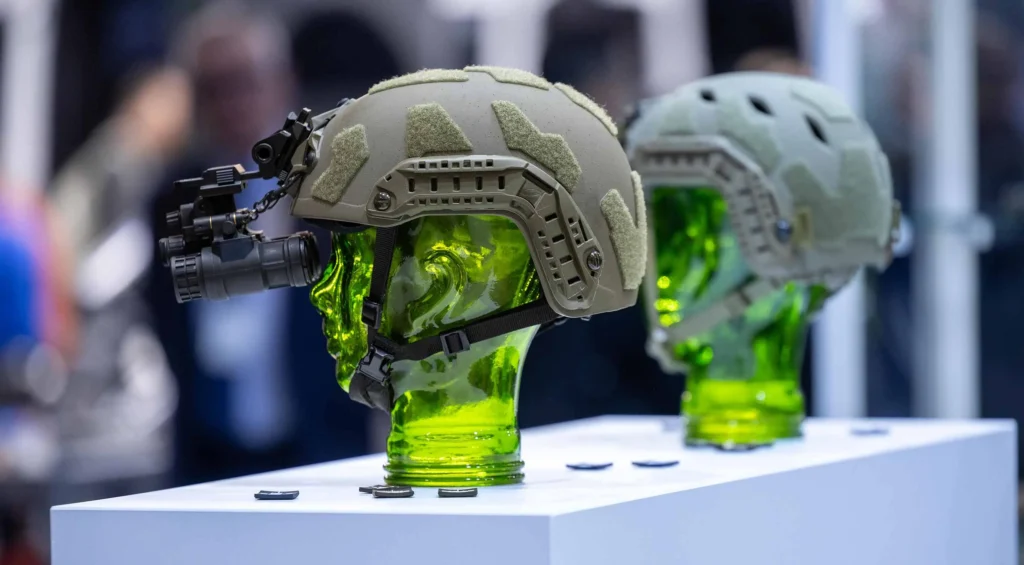
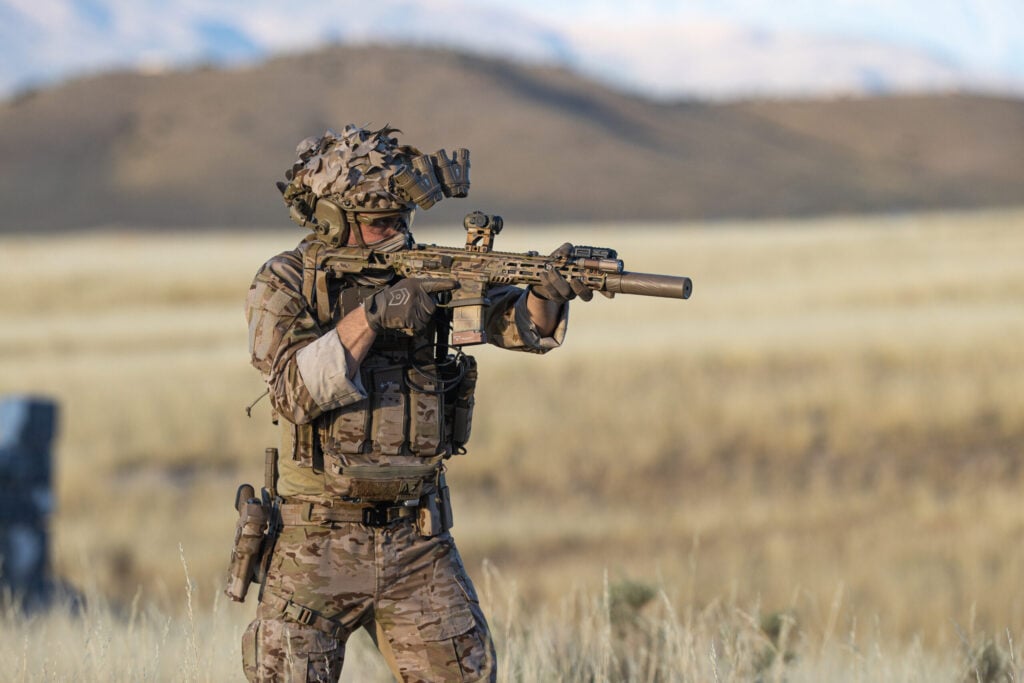
Modern combat helmets contribute to protection against ballistic and fragmentation threats while also increasingly functioning as an equipment platform.
A helmet may need to accommodate or integrate with:
- hearing protection
- communications equipment
- night vision devices
- identification equipment
- lighting
- cameras
- other mission-specific accessories
This makes helmet integration particularly important.
Adding equipment to the head also changes weight and balance, so the complete configuration needs to be considered rather than treating the helmet and its accessories separately.
3. Load Carriage Systems
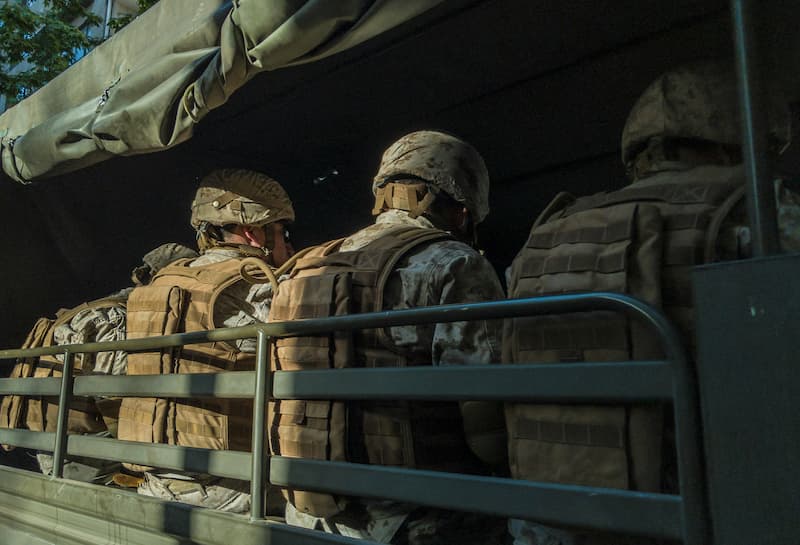
Load carriage has a direct relationship with both soldier survivability and human performance.
Modern personnel may need to carry ammunition, communications equipment, batteries, water, medical equipment, specialist tools and other mission-essential items in addition to protective equipment.
An effective load carriage system needs to distribute that equipment appropriately while allowing the operator to move, access essential items and interact with other equipment.
Poorly configured load carriage can restrict movement, create pressure points and make equipment difficult to access. Excessive carried weight can also contribute to fatigue over extended operations.
This is why load carriage should be considered part of the complete soldier system rather than simply as a means of carrying equipment.
4. Communications Equipment
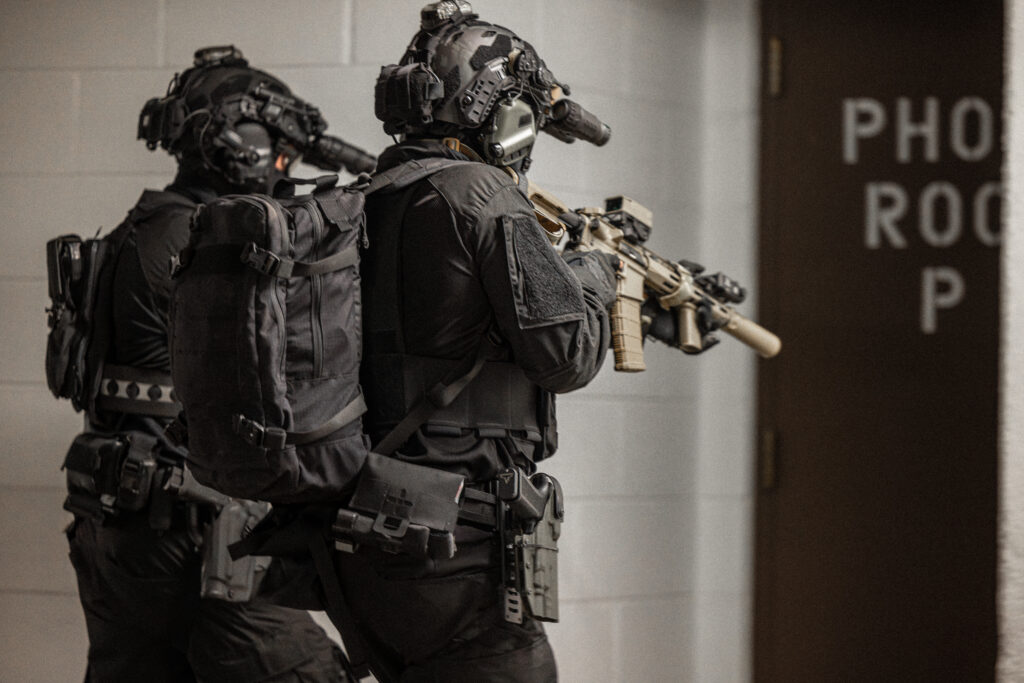
Effective communications can improve survivability by helping personnel maintain contact with their team and wider command structure.
Modern tactical communications can support the rapid exchange of information about threats, friendly forces and changes in the operational environment.
But communications equipment must itself be integrated effectively.
Radios, antennas, push-to-talk controls, headsets, batteries and cables all compete for space on the individual soldier. Poor integration can create additional burden and interfere with other equipment.
The value comes not simply from having communications technology, but from ensuring that it can be used effectively within the complete equipment configuration.
5. Surveillance and Situational Awareness Equipment
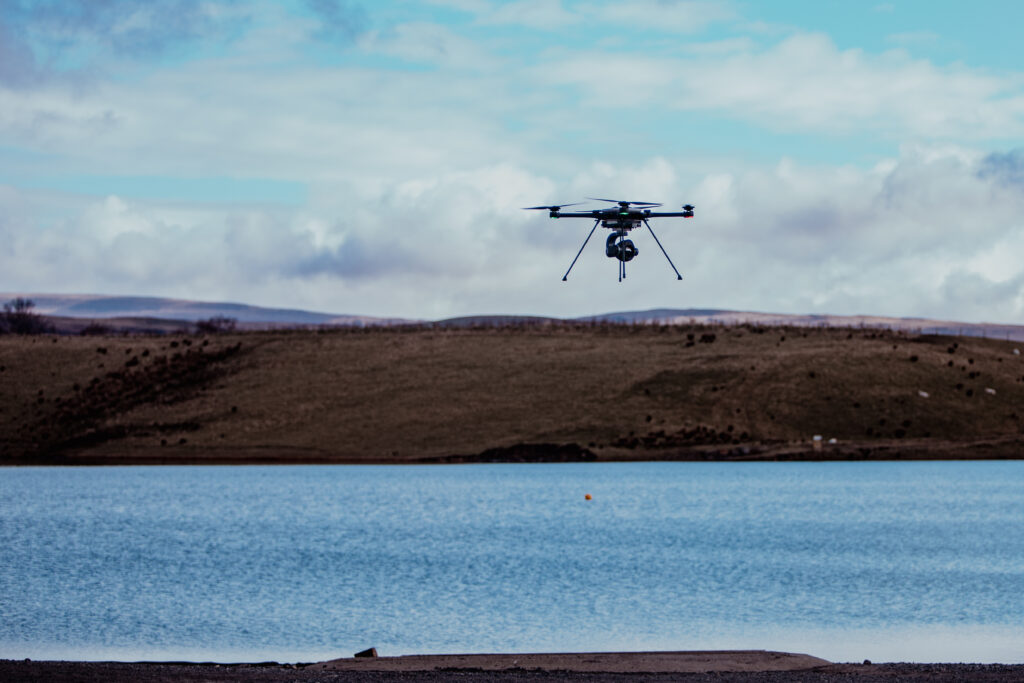
One of the most effective ways of improving survivability is to help personnel identify threats earlier.
Depending on the mission, this can involve:
- night vision
- thermal imaging
- tactical optics
- observation equipment
- surveillance systems
- target acquisition systems
- sensors
- information supplied by uncrewed systems
Improved situational awareness can allow personnel to detect, understand and respond to threats before direct engagement occurs.
This expands the concept of survivability beyond simply surviving an impact. Avoiding or anticipating a threat can be as important as physical protection against it.
6. Hearing and Eye Protection
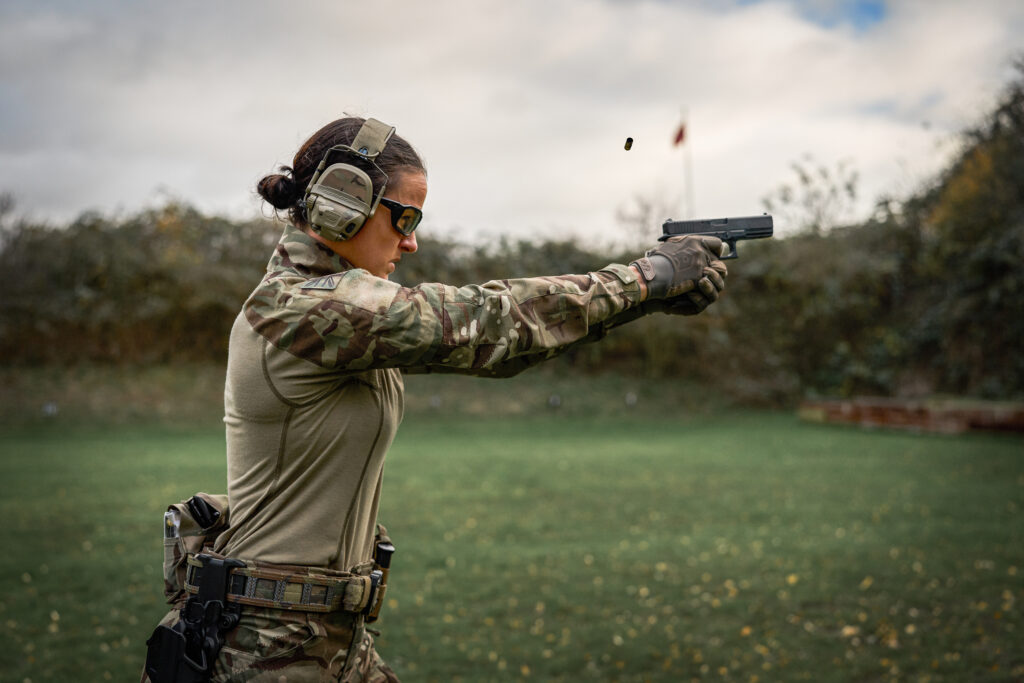
Hearing and eye protection can sometimes appear relatively minor compared with armour or helmets, but both can have significant implications for operational effectiveness.
Eye protection can reduce the risk posed by fragmentation, debris, dust and environmental hazards.
Hearing protection must balance protection against damaging noise with the operator’s need to maintain awareness of the surrounding environment and communicate effectively.
Modern systems may therefore combine hearing protection with communications and situational awareness functions.
Again, integration matters.
7. Operational Clothing and Environmental Protection
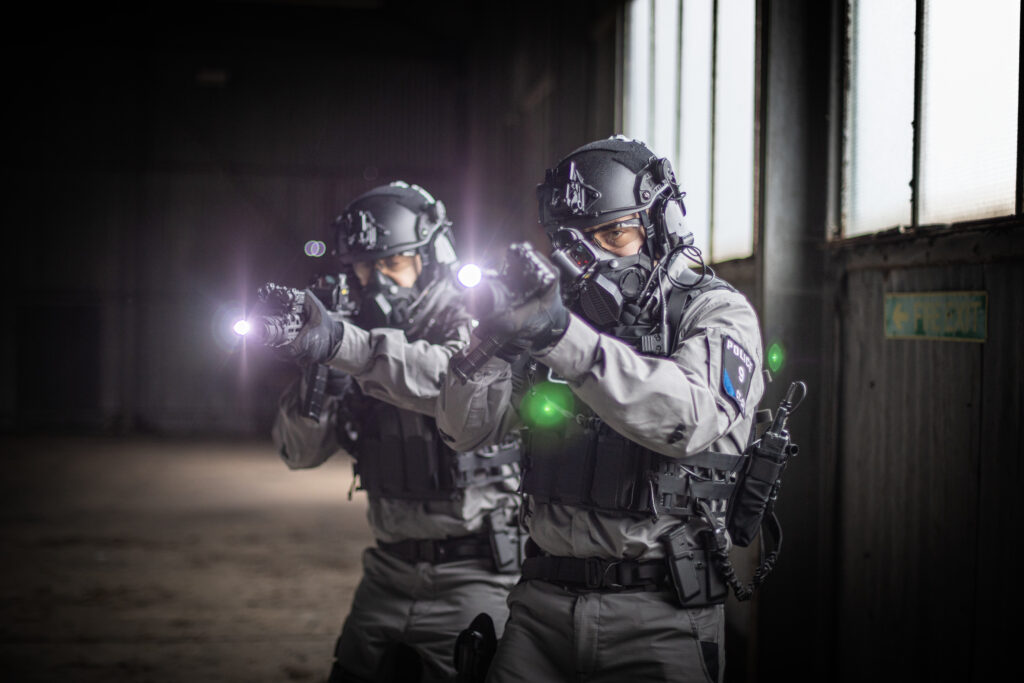
Survivability also depends on the environment in which personnel are operating.
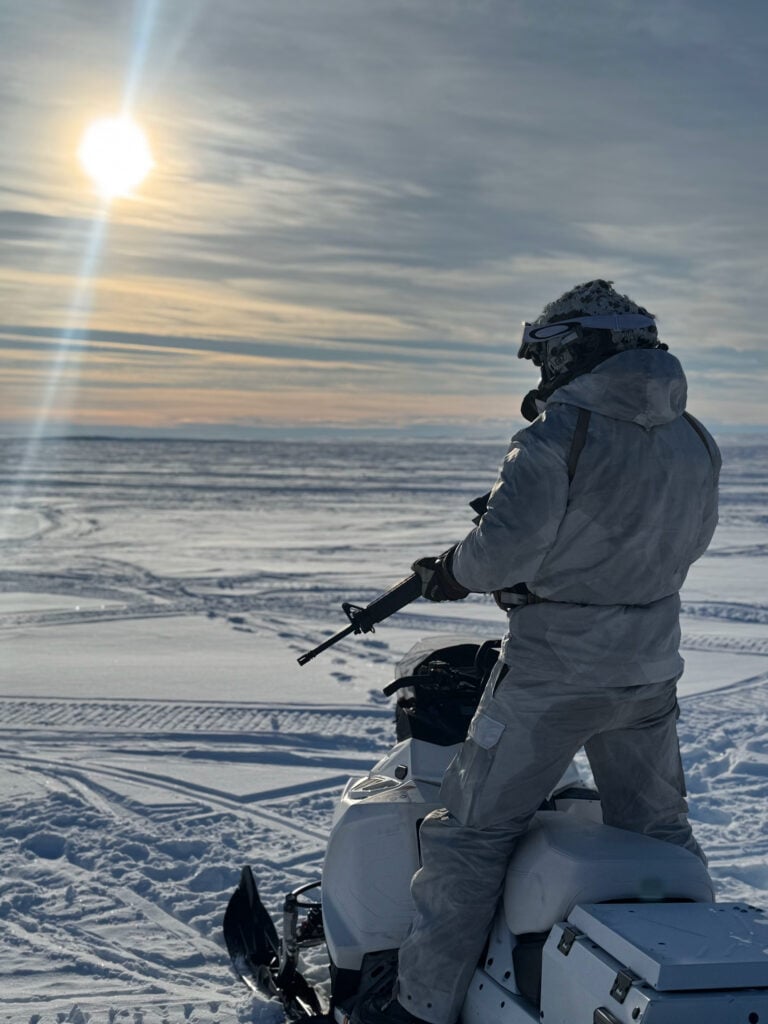
Operational clothing may need to protect personnel against cold, heat, rain, wind and other environmental conditions while allowing them to move and regulate body temperature effectively.
Specialist requirements can introduce further considerations, including flame resistance and protection appropriate to particular operating environments.
Clothing is therefore not simply a uniform. It forms part of the wider protective system around the individual.
It must also work effectively with body armour, footwear, load carriage and other equipment.
8. Individual Medical Equipment
Medical equipment provides another important layer of survivability.
The exact equipment carried will depend on role and operational requirement, but access to appropriate individual medical equipment can support an immediate response when injury occurs.
Where equipment is carried is also important.
Mission-critical medical equipment needs to be accessible when required without compromising movement or interfering unnecessarily with other equipment.
This is another example of why survivability equipment needs to be considered as an integrated system.
Why Is Mobility Important to Soldier Survivability?
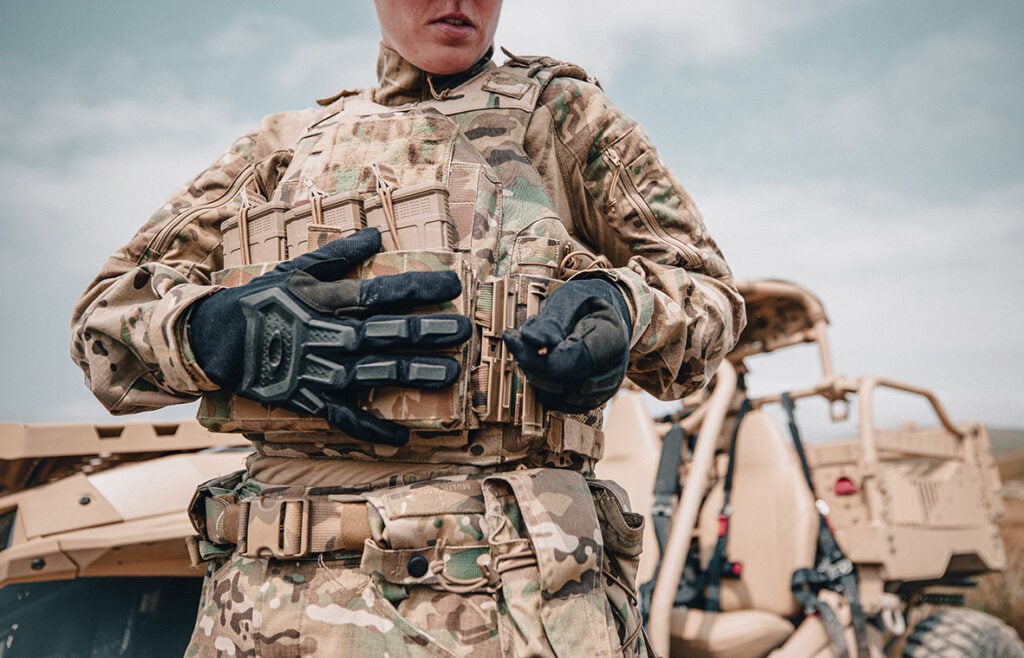
Protection and mobility can sometimes create competing demands.
Adding armour may increase protection against a particular threat, but additional weight can affect speed, endurance and agility.
The same principle applies to the complete equipment load.
Every additional battery, sensor, radio, tool or protective component may provide useful capability, but collectively these items can increase the physical burden placed on the operator.
The challenge is therefore to find the right balance.
A soldier who is highly protected but excessively burdened may not necessarily be more survivable.
Mobility can allow personnel to use terrain, move between positions, respond to changing threats and reduce their exposure. It should therefore be treated as part of survivability rather than as a separate consideration.
How Does Equipment Weight Affect Soldier Survivability?
The amount of equipment carried by military personnel has increased as technology has developed.
Communications, electronic systems, batteries, sensors and other technologies can provide substantial operational advantages, but they also add weight.
Excessive load can contribute to fatigue and may affect mobility and endurance.
This makes load optimisation and equipment weight reduction important considerations when developing modern soldier systems.
The question should not simply be:
What else can we give the soldier?
It should also be:
What capability does this equipment provide, and what burden does it create?
Reducing duplication, integrating systems and selecting equipment around the complete operational requirement can help address that balance.
How Does Situational Awareness Improve Survivability?
Protection is often reactive: it helps protect an individual when a threat reaches them.
Situational awareness can contribute to survivability earlier in the chain.
If personnel can identify a threat, understand their environment and share information effectively, they may be better able to avoid unnecessary exposure or respond appropriately.
This is why surveillance, communications and information systems increasingly form part of the wider survivability discussion.
As soldier systems become more connected, information itself becomes an important component of protection.
What Role Does Human Performance Play in Soldier Survivability?
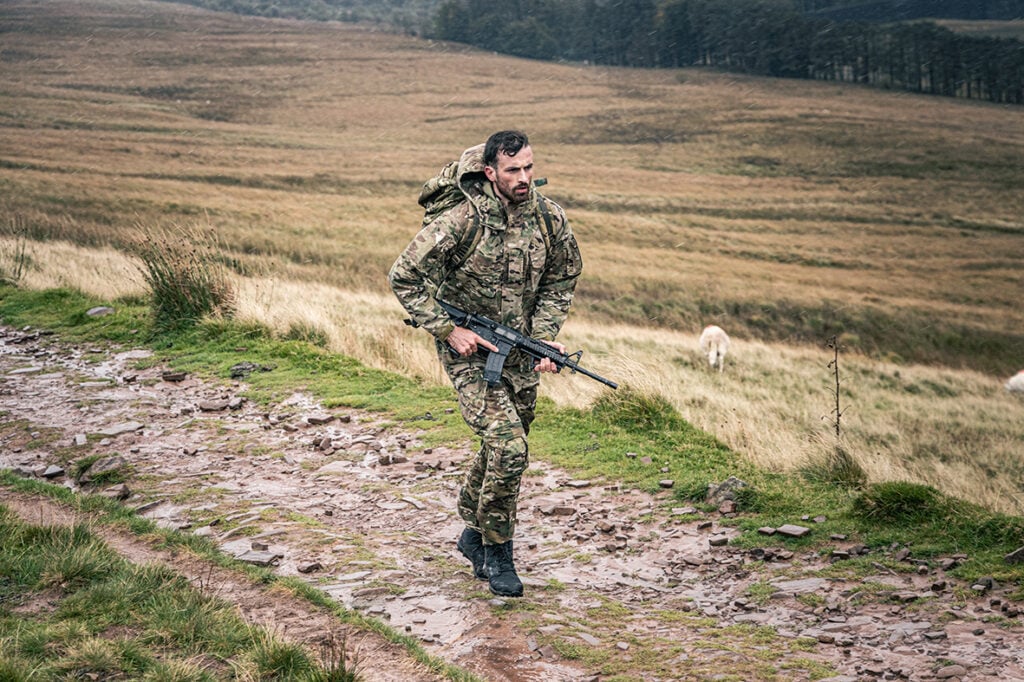
The individual operator remains at the centre of the system.
Equipment that provides excellent technical performance in isolation may offer less operational benefit if it creates excessive physical or cognitive burden.
Factors including weight, equipment positioning, ergonomics, temperature regulation, accessibility and ease of use can all influence how effectively personnel operate.
Fatigue can affect physical performance and decision-making. Excessive equipment can restrict movement. Poorly positioned controls can make systems difficult to use under pressure.
Human performance and soldier survivability are therefore closely connected.
The objective should be to provide personnel with the capability they require while minimising unnecessary burden.
Why Is Equipment Integration Important for Soldier Protection?
A modern soldier may carry or wear equipment supplied by numerous manufacturers and introduced through different procurement programmes.
Each item may perform effectively independently while creating problems when combined with other equipment.
The objective is to create integrated Soldier Systems in which equipment works together around the operator and the mission.
For example:
- body armour may interfere with load carriage
- pouches may restrict access to other equipment
- communications cables may obstruct movement
- hearing protection may need to integrate with helmets and radios
- batteries may add unnecessary weight or require multiple charging systems
- new sensors may require additional controls, displays and power
- clothing may perform differently when worn underneath protective equipment
This is why defence equipment integration is central to effective soldier survivability.
The goal is not a collection of individually effective products. It is a complete system in which equipment works together around the operator and the mission.
Is More Protection Always Better?
Not necessarily.
Protection should be appropriate to the threat, mission and operating environment.
Adding additional protective equipment can reduce vulnerability to certain threats, but it can also increase weight, restrict mobility and add thermal burden.
There may therefore be circumstances where increasing one form of protection has consequences elsewhere within the system.
Effective survivability planning requires those trade-offs to be understood.
The appropriate solution is the one that provides the required protection while allowing personnel to perform their operational role effectively.
How Should Defence Organisations Select Survivability Equipment?
Procurement teams should consider the complete operational requirement rather than assessing individual products solely on their standalone specifications.
Useful questions include:
- What threats is the equipment intended to address?
- How does it integrate with equipment already in service?
- What additional weight does it introduce?
- Does it affect mobility or human performance?
- Does it require additional batteries, cables or controls?
- Can it be configured for different missions?
- How easily can personnel operate it while wearing other equipment?
- What training and support does it require?
- Does it duplicate existing capability?
- How will it affect the complete soldier system?
This moves procurement away from simply acquiring equipment and towards developing integrated operational capability.
Building Survivability Around the Soldier
Modern soldier survivability cannot be reduced to a single item of equipment.
Body armour, helmets and other protective equipment remain essential, but survivability is also influenced by mobility, communications, situational awareness, environmental protection, medical capability and human performance.
The key is integration.
As military technology continues to develop, defence organisations will have access to an increasing number of systems designed to improve operational capability. Each new system must be considered in the context of the equipment already carried and, most importantly, the person expected to use it.
For organisations such as Level Peaks, this is where a capability-led approach becomes important: understanding the operational requirement, identifying appropriate equipment and considering how individual components work together as a complete system.
The most effective soldier survivability system is therefore not necessarily the one with the most equipment or the greatest level of protection in isolation. It is the one that achieves the right balance of protection, mobility, awareness and performance for the mission.
Frequently Asked Questions
What equipment improves soldier survivability?
Soldier survivability can be improved through an integrated combination of body armour, helmets, eye and hearing protection, load carriage, communications, surveillance and situational awareness systems, operational clothing and medical equipment. The appropriate combination depends on the mission, threat and operating environment.
What is soldier survivability?
Soldier survivability is the ability of military personnel to avoid, withstand and recover from threats while maintaining operational effectiveness. It includes physical protection but also considers mobility, situational awareness, communications, equipment integration and human performance.
Is body armour the most important element of soldier protection?
Body armour is a critical element of soldier protection, but it is only one part of survivability. Mobility, situational awareness, communications, helmets, clothing, medical equipment and the integration of the complete soldier system can all contribute to survivability.
How does equipment weight affect soldier survivability?
Excessive equipment weight can increase physical burden and fatigue and may affect mobility and endurance. Effective soldier systems therefore seek to balance the operational benefit provided by equipment against the weight and complexity it adds.
How does situational awareness improve soldier survivability?
Situational awareness can help personnel detect and understand threats earlier. Surveillance systems, tactical optics, communications, sensors and information from other platforms can contribute to a better understanding of the operational environment and potentially reduce unnecessary exposure to threats.
Why is equipment integration important for soldier survivability?
Equipment integration ensures that protection, communications, load carriage, sensors, clothing and other equipment work effectively together. Poor integration can increase weight, restrict movement, create duplication and make equipment more difficult to operate.
Is more protective equipment always better?
No. Additional protection can also add weight, bulk and thermal burden. The appropriate level of protection depends on the threat and mission and needs to be balanced against mobility, endurance and operational effectiveness.
What should defence organisations consider when selecting soldier protection equipment?
Defence organisations should consider the threat, mission, equipment already in service, interoperability, weight, mobility, ergonomics, power requirements, training and sustainment. The objective should be to create an integrated soldier capability rather than procure individual products in isolation.