
Modern military operations place unprecedented demands on the individual soldier. Today’s dismounted personnel must detect threats faster, communicate more effectively, operate sophisticated equipment, and remain agile across diverse environments, from dense urban terrain to remote mountain ranges. Success no longer depends solely on individual skill or the performance of a single piece of equipment. It relies on how well every element of a soldier’s capability works together.
This has led to the development of the modern soldier system—an integrated approach that combines weapons, personal protection, communications, power management, load carriage, optics, surveillance technology, and mission equipment into a cohesive, interoperable solution.
For defence organisations, procurement teams, and military planners, understanding what constitutes a modern soldier system is essential. The objective is not simply to buy better equipment, but to deliver greater operational effectiveness by ensuring every component functions seamlessly as part of a complete capability.
In this guide, we explore what a modern soldier system is, why integration matters, and how capability partners such as Level Peaks help armed forces maximise performance through carefully selected equipment, training, and long-term support.
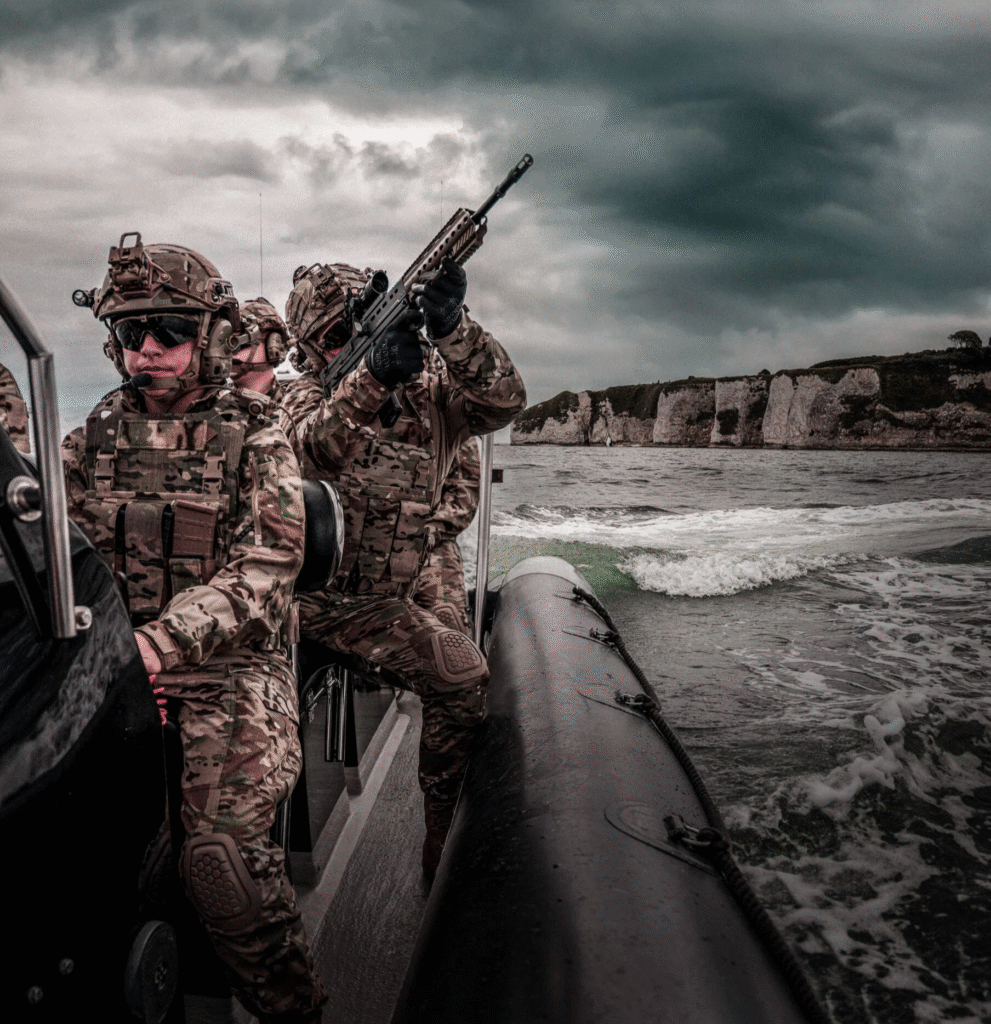
What Is a Modern Soldier System?
A modern soldier system is an integrated collection of equipment, technologies, and support solutions designed to improve the effectiveness, survivability, and mobility of the individual soldier.
Rather than treating body armour, radios, optics, weapons, power supplies, and other equipment as separate purchases, a soldier system considers the individual as a complete operational platform.
The system typically integrates:
- Personal protection equipment
- Weapon accessories and aiming systems
- Electro-optics and thermal imaging
- Tactical communications
- Navigation and positioning technology
- Power generation and battery management
- Load carriage systems
- Observation and surveillance equipment
- Signature management solutions
- Training and sustainment support
The aim is to ensure every component works together without compromising comfort, mobility, endurance, or operational effectiveness.
Why Integration Is More Important Than Ever
Military technology continues to evolve rapidly.
Individual soldiers now carry significantly more capability than ever before, but they are also expected to operate more electronic systems simultaneously.
Typical modern equipment may include:
- Multiple radios
- GPS devices
- Thermal imagers
- Laser rangefinders
- Night vision equipment
- Digital mapping systems
- Target acquisition devices
- Tactical tablets
- UAV controllers
- Weapon-mounted accessories
Without careful integration, these systems can create significant challenges:
- Excessive weight
- Battery management problems
- Cable interference
- Reduced mobility
- Equipment incompatibility
- Increased cognitive workload
- More complex maintenance
A modern soldier system addresses these issues by considering how every component interacts as part of a complete capability rather than as isolated products.
The Core Elements of an Integrated Soldier Capability
Although every armed force has different operational requirements, most integrated soldier systems include several key capability areas.
Personal Protection
Protection remains fundamental.
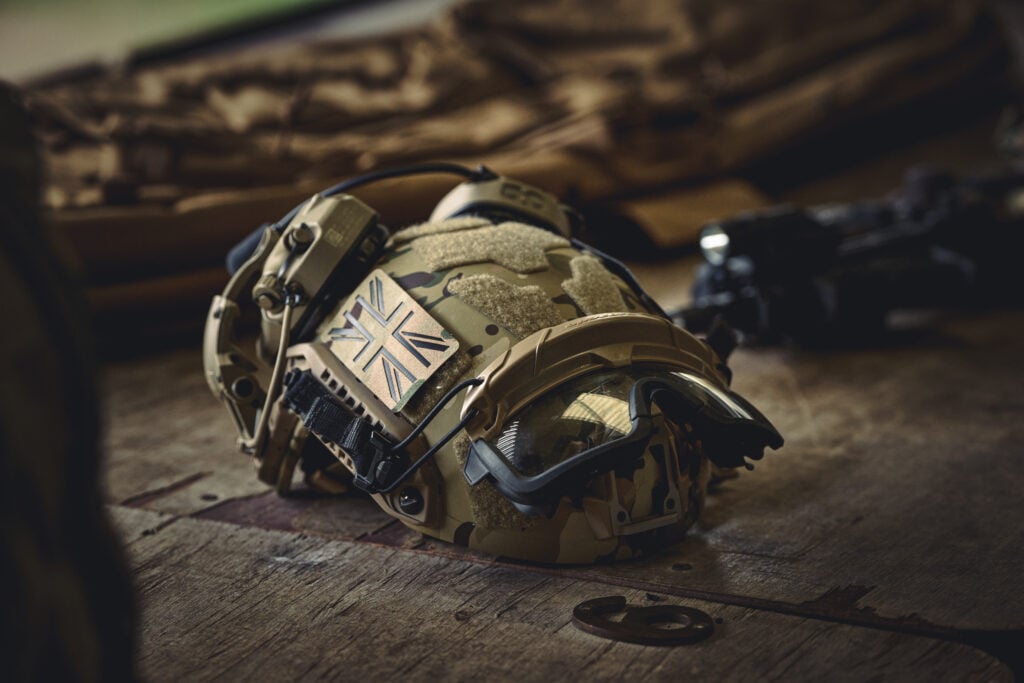
Modern systems incorporate advanced helmets, ballistic protection, eye protection, hearing protection, flame-resistant clothing, and modular body armour designed to balance protection with mobility.
The objective is to maximise survivability without unnecessarily increasing weight or restricting movement.
Weapons and Accessories
Modern infantry weapons are increasingly modular.
Soldiers require accessories that improve accuracy, target acquisition, and adaptability, including:
- Optical sights
- Thermal weapon sights
- Laser aiming devices
- Suppressors
- Weapon lights
- Bipods
- Mounting systems
Selecting compatible accessories ensures weapons perform consistently across multiple operational scenarios.
Electro-Optics and Observation
Information superiority often begins with seeing first.
Electro-optical systems enable soldiers to:
- Detect threats earlier
- Identify targets more accurately
- Operate effectively in darkness
- Observe at greater distances
- Maintain situational awareness
These capabilities include:
- Thermal imagers
- Night vision systems
- Observation binoculars
- Long-range surveillance optics
- Laser rangefinders
Integrating these systems allows information gathered by one device to support wider mission objectives.
Tactical Communications
Communication remains central to mission success.
Modern soldier systems integrate secure communications that enable personnel to exchange information rapidly while operating in complex environments.
These systems may include:
- Tactical radios
- Headsets
- Push-to-talk interfaces
- Vehicle integration
- Data transmission systems
Reliable communications improve coordination while reducing delays during fast-moving operations.
Power Management
One of the biggest challenges for today’s soldier is electrical power.
Every additional electronic device requires batteries, chargers, cables, and management.
Poor power planning increases weight and can limit operational endurance.
Modern soldier systems therefore place significant emphasis on:
- Battery optimisation
- Common charging solutions
- Portable power systems
- Energy-efficient equipment
- Power distribution management
Effective power integration allows soldiers to operate longer while carrying fewer batteries.
Load Carriage
A soldier’s ability to move remains one of the most important determinants of battlefield effectiveness.
Integrated load carriage systems seek to:
- Distribute weight efficiently
- Improve comfort
- Reduce fatigue
- Increase mobility
- Allow rapid access to mission equipment
Modular systems enable equipment layouts to be tailored for specific mission profiles rather than adopting a one-size-fits-all approach.
The Benefits of an Integrated Soldier System
A properly integrated capability delivers advantages that extend far beyond the performance of individual products.
Improved Operational Effectiveness
Equipment that functions together enables soldiers to complete tasks more efficiently.
Reduced setup time, simplified equipment management, and faster information sharing all contribute to improved mission performance.
Greater Survivability
Integrated protection, communications, observation, and situational awareness help personnel detect threats earlier and respond more effectively.
Improved interoperability also reduces the likelihood of equipment failures during critical operations.
Reduced Soldier Burden
Weight remains one of the greatest challenges facing modern infantry.
Through careful equipment selection and integration, unnecessary duplication can be eliminated while improving overall efficiency.
Less weight translates directly into:
- Greater endurance
- Faster movement
- Lower fatigue
- Improved combat effectiveness
Faster Decision Making
When sensors, optics, communications, and navigation systems work together, information flows more quickly throughout the force.
This enables faster tactical decisions while reducing cognitive overload on individual operators.
Simplified Logistics
Integration also benefits procurement and sustainment.
Instead of managing numerous incompatible systems from multiple suppliers, defence organisations can reduce complexity through standardisation.
Benefits include:
- Simplified maintenance
- Common training
- Easier spare parts management
- Improved lifecycle support
- Lower through-life costs
Why Integration Requires More Than Equipment Procurement
Many organisations assume a soldier system is simply a collection of products.
In reality, successful capability integration requires specialist expertise throughout the entire lifecycle.
This includes:
Requirements Analysis
Understanding operational objectives before equipment selection begins.
Equipment Evaluation
Assessing products not only for individual performance but also for compatibility with existing capability.
User Trials
Testing equipment in realistic operational environments.
Training
Ensuring personnel understand how to use integrated systems effectively.
Support
Maintaining capability throughout its operational life through servicing, upgrades, and technical assistance.
Without these elements, even high-quality equipment may fail to deliver its intended operational benefit.
The Role of a Capability Partner
As defence technology becomes increasingly complex, many organisations work with a specialist capability partner rather than sourcing equipment from numerous independent suppliers.
A capability partner brings together technical expertise, operational understanding, and long-term support.
Rather than simply supplying equipment, they help develop complete operational capability.
This includes:
- Understanding mission requirements
- Selecting complementary technologies
- Managing supplier relationships
- Integrating equipment
- Supporting procurement
- Delivering user training
- Providing ongoing technical support
This collaborative approach reduces procurement risk while ensuring soldiers receive equipment that performs effectively as a complete system.
How Level Peaks Delivers Integrated Soldier Systems
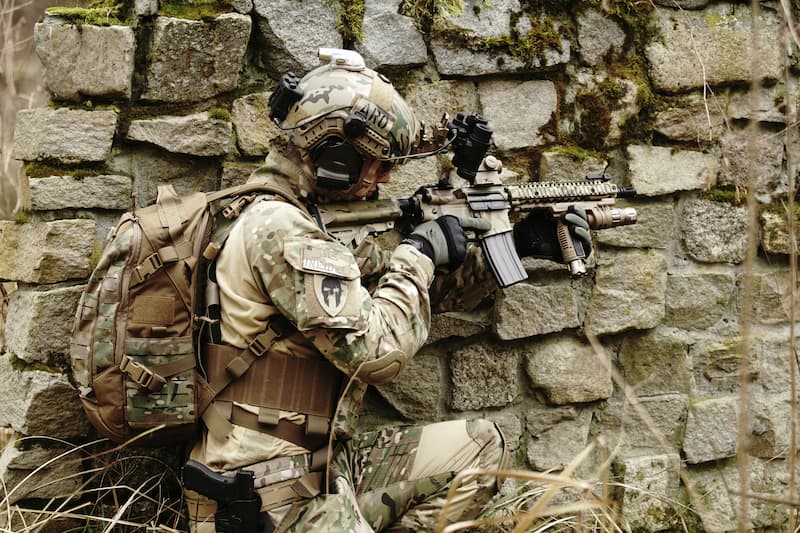
At Level Peaks, integrated soldier capability is built around operational effectiveness rather than individual products.
The company works with defence organisations to develop tailored soldier systems by combining carefully selected technologies from leading global manufacturers with specialist integration expertise.
Its capabilities include:
- Soldier modernisation programmes
- Electro-optics and surveillance equipment
- Weapon accessories
- Tactical communications
- Personal protection equipment
- Signature management
- Power and energy solutions
- Load carriage systems
- Specialist training
- Technical support and lifecycle management
By acting as a trusted capability partner, Level Peaks helps ensure every element functions together to deliver measurable operational advantage.
The result is a complete capability that enhances mobility, survivability, situational awareness, and mission success.
Supporting Capability Throughout Its Lifecycle
Modern soldier systems continue to evolve long after initial procurement.
Technology changes rapidly, operational requirements shift, and new threats emerge.
Effective lifecycle support therefore becomes critical.
This may include:
- Equipment upgrades
- Software updates
- Obsolescence management
- Repair services
- Technical advice
- User feedback programmes
- New capability integration
Maintaining an integrated system over many years helps maximise return on investment while ensuring personnel remain equipped for evolving operational challenges.
The Future of Soldier Systems
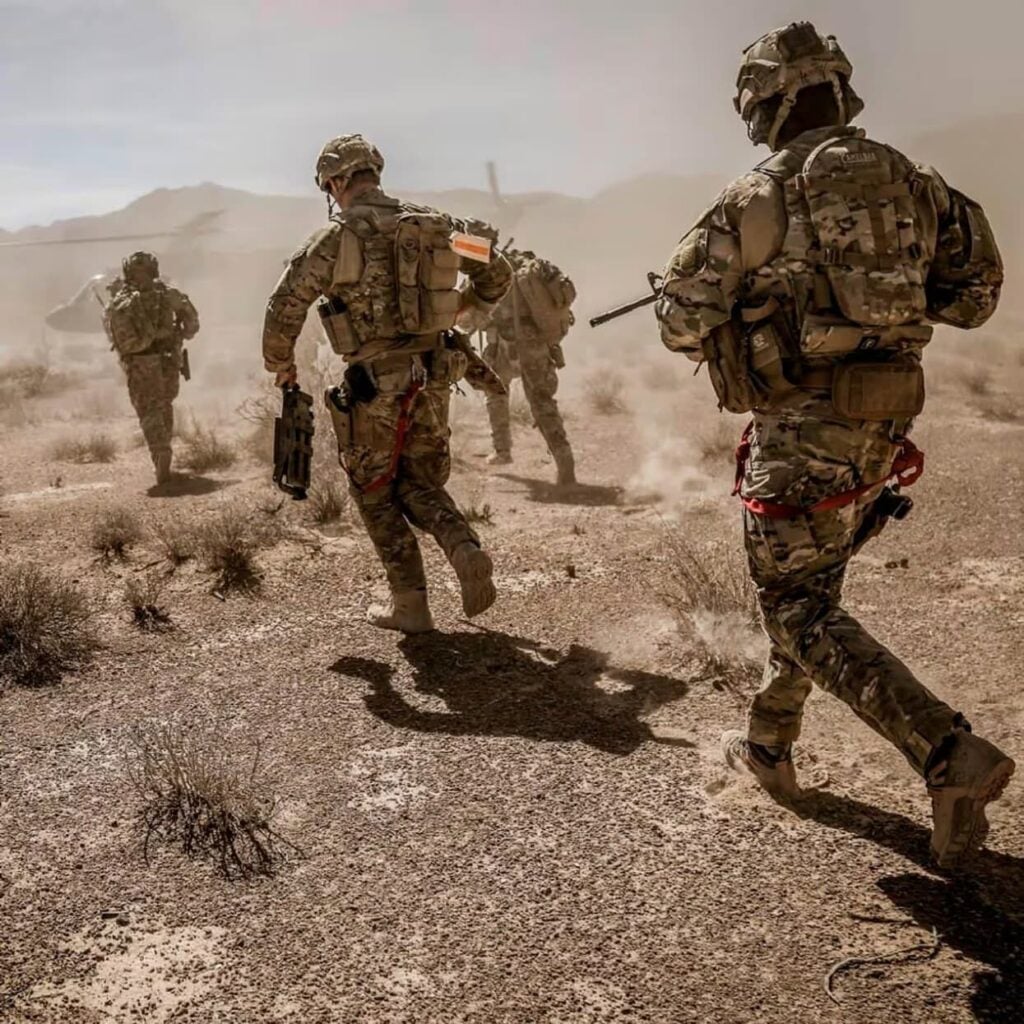
The pace of innovation continues to accelerate.
Future soldier systems are likely to incorporate:
- Artificial intelligence-assisted decision support
- Enhanced sensor fusion
- Wearable computing
- Improved power technologies
- Lightweight materials
- Greater digital connectivity
- Autonomous system integration
- Advanced battlefield networking
Despite these technological advances, the core principle remains unchanged.
Success depends not on possessing the most advanced individual technologies but on ensuring they work together as one integrated capability.
Conclusion
The modern soldier system represents a fundamental shift in how military capability is developed.
Rather than viewing equipment as separate procurement decisions, armed forces increasingly recognise the value of integrating protection, communications, observation, power, mobility, and training into a cohesive operational system.
This integrated approach improves survivability, enhances situational awareness, reduces soldier burden, simplifies logistics, and ultimately increases operational effectiveness.
For organisations seeking to modernise dismounted capability, partnering with an experienced capability provider ensures equipment is selected, integrated, supported, and sustained as part of a complete solution rather than a collection of individual products.
Level Peaks delivers integrated soldier systems that combine world-leading technologies with specialist expertise, helping defence organisations develop adaptable, future-ready capabilities that give soldiers the tools they need to succeed in the most demanding operational environments.
Frequently Asked Questions About Modern Soldier Systems
What is a modern soldier system?
A modern soldier system is an integrated collection of military equipment, technologies and support solutions designed to improve the effectiveness, survivability and mobility of the individual soldier. It combines personal protection, communications, optics, power management, weapons accessories and load carriage into a single interoperable capability.
What is integrated soldier capability?
Integrated soldier capability refers to the way a soldier’s equipment works together as a complete system rather than as individual items. By integrating communications, surveillance, protection, power and weapon systems, armed forces can improve operational effectiveness, reduce equipment burden and enhance situational awareness.
Why are integrated soldier systems important?
Integrated soldier systems help soldiers operate more effectively in complex environments by improving communication, reducing equipment incompatibility, simplifying logistics and increasing survivability. They also make it easier for defence organisations to manage training, maintenance and long-term equipment support.
What equipment is included in a soldier system?
A modern soldier system typically includes body armour, helmets, tactical communications, electro-optics, thermal imaging devices, weapon accessories, power and battery management systems, load carriage equipment, navigation technology and specialist mission equipment. The exact configuration depends on the operational requirement.
What are the benefits of working with a defence capability partner?
A defence capability partner helps military organisations design, integrate, procure and support complete soldier systems. Rather than supplying individual products, they ensure equipment is compatible, provide technical expertise, deliver training and support the capability throughout its operational lifecycle.
How does Level Peaks support integrated soldier systems?
Level Peaks works with defence organisations to deliver fully integrated soldier systems by combining world-leading equipment with specialist technical expertise. Its capabilities include electro-optics, tactical communications, weapon accessories, personal protection, power management, training and long-term lifecycle support, helping armed forces maximise operational effectiveness.