
Modern defence capability is often discussed in terms of platforms, weapons, sensors, communications and protective equipment. Yet every one of those systems ultimately depends on a human being being able to use it effectively.
An operator who is fatigued, dehydrated, overloaded, injured or struggling with environmental conditions cannot deliver the same operational performance as one who is physically and cognitively prepared for the task.
That makes human performance a capability issue, not simply a fitness issue.
As military technology advances and individual personnel are expected to carry, process and interact with more equipment and information, understanding the relationship between the operator, their equipment, their environment and their mission becomes increasingly important.
For defence organisations, the question is therefore no longer simply what equipment should we give the operator? It is also:
How do we enable that operator to perform effectively throughout the mission?
What Is Human Performance in Defence?
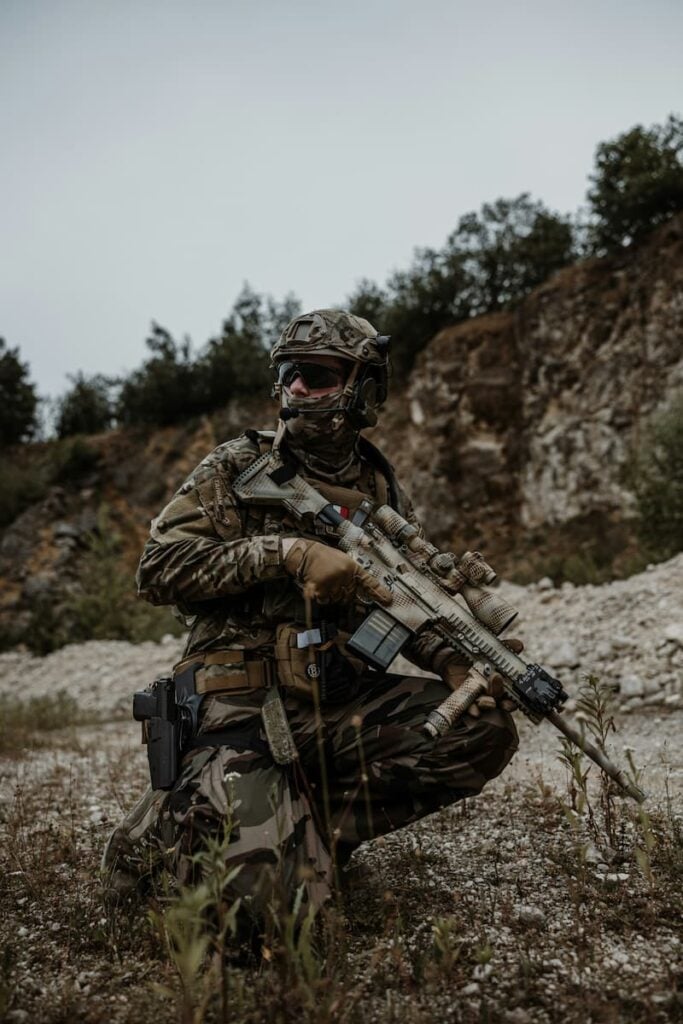
Human performance in defence is the ability of military personnel and other specialist operators to maintain the physical, cognitive and physiological performance required to complete an operational task effectively.
It encompasses factors including:
- physical conditioning and endurance;
- strength and mobility;
- cognitive performance and decision-making;
- fatigue and sleep;
- nutrition and hydration;
- heat and cold stress;
- injury prevention and recovery;
- equipment fit and carried load; and
- physiological and biometric monitoring.
These factors do not operate independently.
The weight of an operator’s equipment can affect fatigue. Protective clothing can influence thermal load. Hydration can affect physical and cognitive performance. Poorly fitted equipment can restrict movement or contribute to discomfort and injury.
Human performance therefore needs to be considered as part of the wider operational system.
Why Is Human Performance Important in Modern Defence?
The individual operator has always been fundamental to military capability. What has changed is the complexity of the environment in which that individual is expected to perform.
Today’s personnel may be required to carry ballistic protection, communications equipment, batteries, ammunition, medical equipment, water, specialist sensors, weapons and other mission-specific equipment.
At the same time, they may need to interpret information from multiple sources, maintain situational awareness, make rapid decisions and operate for extended periods in difficult environmental conditions.
Adding capability can therefore create a paradox.
A new piece of equipment may improve protection, communications or situational awareness while simultaneously adding weight, bulk, heat burden or cognitive demand.
The important question is not simply whether an individual component improves capability.
It is whether it improves the performance of the complete system — including the person operating it.
The Operator Is Part of the System
This is why Level Peaks approaches Human Performance as part of operational capability.
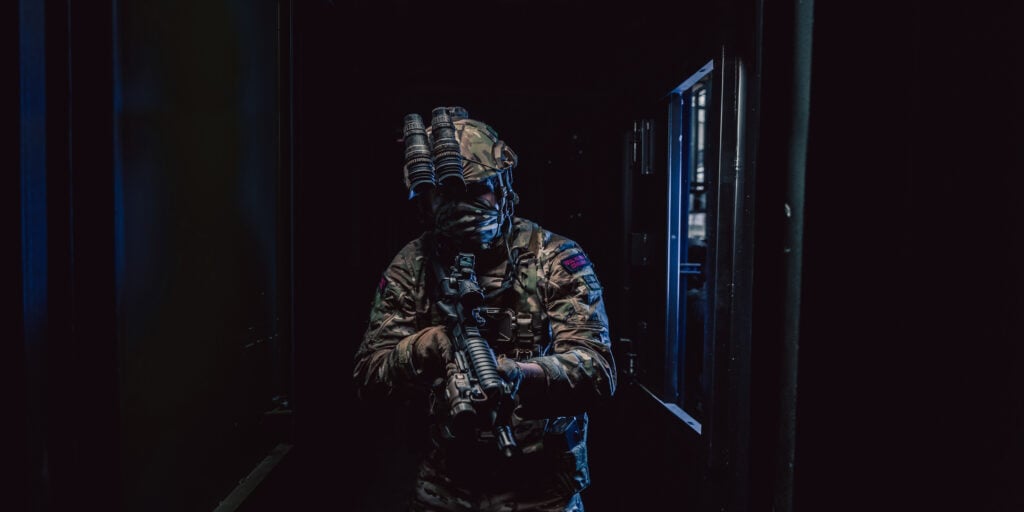
A modern soldier system should not be viewed simply as a collection of clothing and equipment. The operator sits at its centre.
That means considering the relationship between:
Operator → Equipment → Environment → Mission
Change one element and the others can be affected.
For example, increasing protection may increase carried weight. Increased weight may raise energy expenditure and accelerate fatigue. Higher physical effort can increase heat production and hydration requirements. Fatigue can subsequently affect mobility, concentration and decision-making.
An apparently straightforward equipment decision can therefore have consequences across the wider system.
Effective capability development requires those interactions to be understood.
Equipment Weight and Load Carriage
Carried load is one of the clearest examples of the relationship between equipment and human performance.
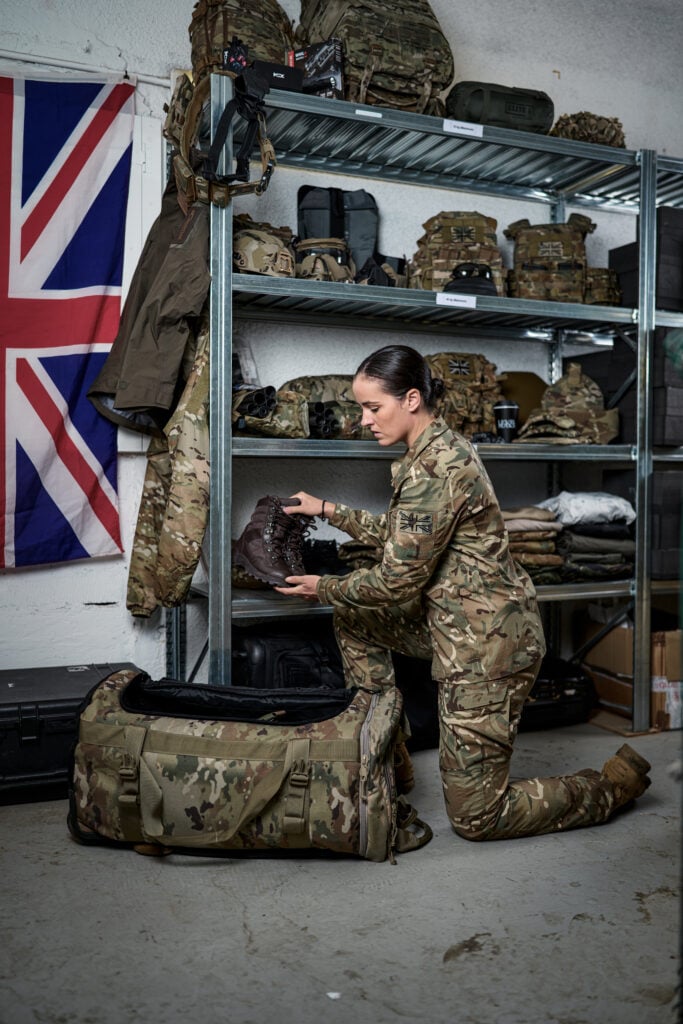
Personnel may need to carry body armour, ammunition, communications equipment, batteries, water, medical equipment, weapons and mission-specific systems.
Every item may have a legitimate operational purpose.
Collectively, however, they create a physiological burden.
Heavy or poorly distributed loads can affect:
- mobility;
- endurance;
- balance;
- agility;
- energy expenditure;
- heat generation;
- fatigue; and
- potentially injury risk.
This means load carriage should be considered as a system, rather than simply choosing a backpack or load-bearing platform.
Equipment selection, positioning, accessibility, weight distribution and the requirements of the mission all need to be considered together.
Reducing unnecessary weight is valuable, but so is ensuring that necessary weight is carried effectively.
Fit Is a Performance Issue
Equipment fit is sometimes treated primarily as a matter of comfort. Operationally, it can have much wider implications.
Body armour, footwear, helmets, load carriage and clothing all interact directly with the operator.
Poor fit can restrict movement, create pressure points, affect equipment positioning and potentially contribute to fatigue or injury.
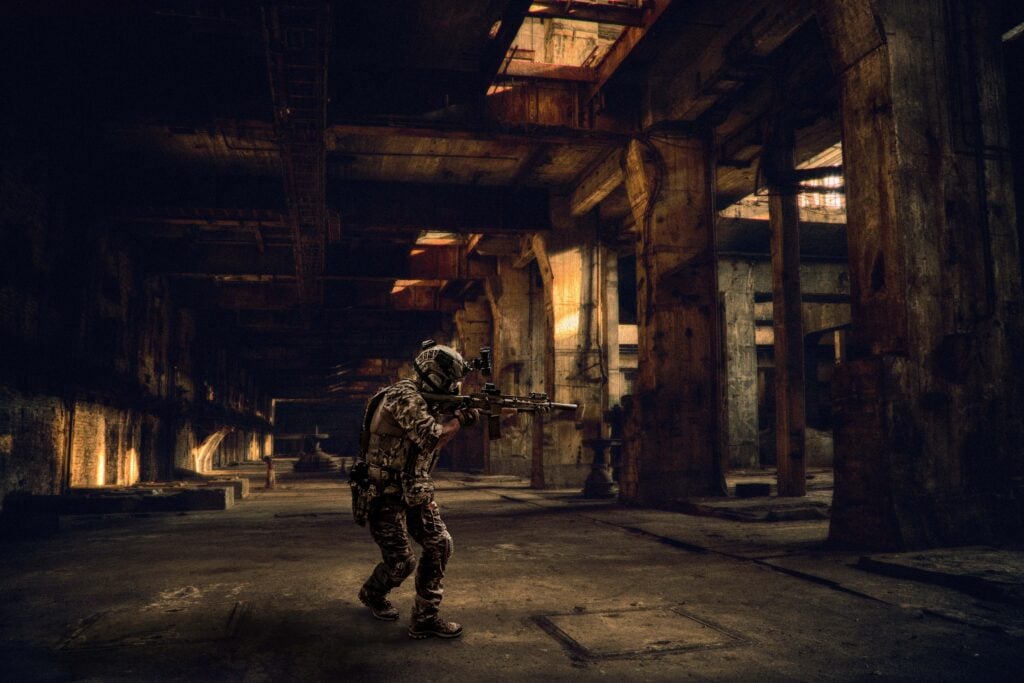
This is particularly relevant when equipment originally developed around predominantly male anthropometric data is issued across an increasingly diverse force.
Female personnel may require different approaches to body armour, clothing, footwear and load carriage to achieve an equivalent level of operational performance.
The objective should not simply be to make existing equipment smaller.
It should be to ensure that equipment works with the individual operator.
This is why female-specific solutions form part of the wider human-performance discussion.
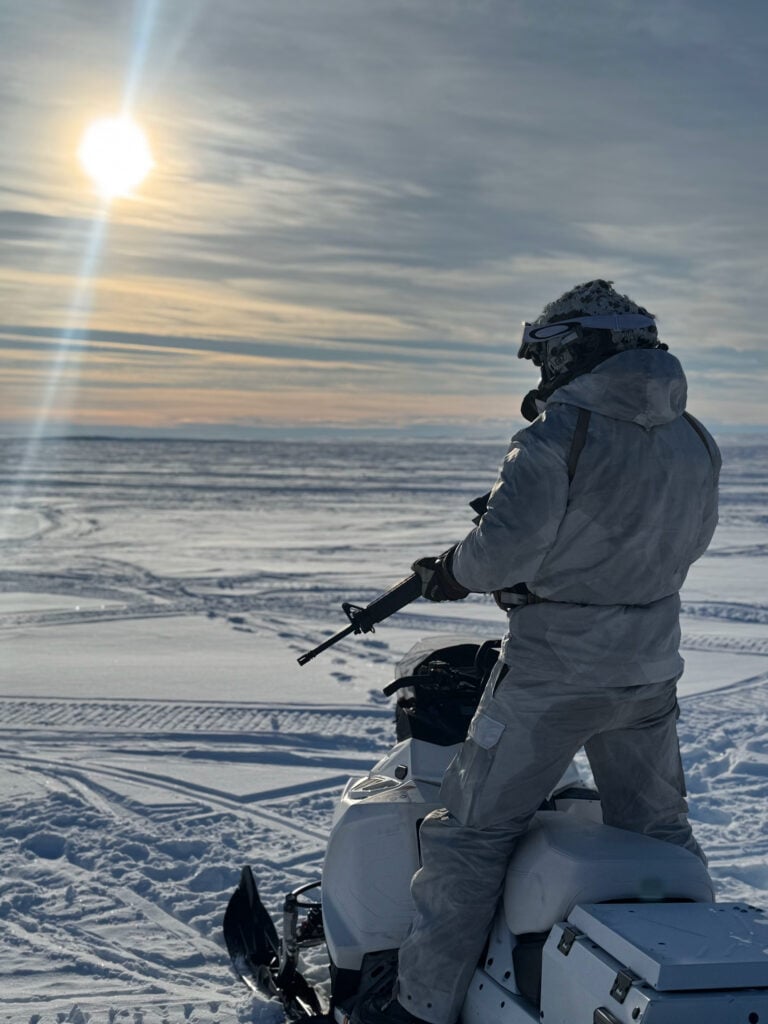
Heat, Cold and the Operational Environment
The environment can place significant additional demands on personnel.
Hot conditions can increase thermal stress and hydration requirements, particularly when operators are wearing body armour, helmets and protective clothing.
Cold and wet environments introduce different challenges, including maintaining warmth while managing moisture and preventing clothing systems from unnecessarily restricting movement.
The appropriate clothing system therefore depends on more than temperature alone.
Activity level, mission duration, precipitation, wind, protection requirements and the amount of equipment being carried all influence what the operator needs.
The objective is not simply to keep someone warm or cool.
It is to help maintain an operationally useful level of performance in the environment in which they are expected to work.
Nutrition and Hydration as Operational Capability
Food and water are fundamental human requirements, but in an operational context they are also performance considerations.
Extended missions require personnel to maintain energy availability and hydration while working within constraints on weight, space and opportunities to eat or drink.
Planning therefore needs to consider questions such as:
- How much water will an operator require?
- How will it be carried?
- How easily can it be accessed?
- What are the environmental conditions?
- How long is the mission expected to last?
- What level of physical exertion is anticipated?
- How will personnel maintain appropriate energy intake?
Nutrition and hydration should consequently be considered alongside equipment, load carriage and mission planning rather than as separate concerns.
Fatigue, Recovery and Operational Readiness
Performance is not determined solely by what happens during an individual mission.
Training load, sleep, recovery and accumulated fatigue can all influence whether personnel are ready to perform when required.
This creates another important distinction between fitness and readiness.
An individual can be physically fit while temporarily being insufficiently recovered for a particular task.
Human-performance programmes can help organisations develop a more complete understanding of readiness by considering physical preparation alongside recovery, injury management, nutrition and other relevant factors.
The aim is not simply to produce personnel capable of passing a fitness assessment.
It is to help create operators capable of repeatedly performing the tasks demanded by their operational role.
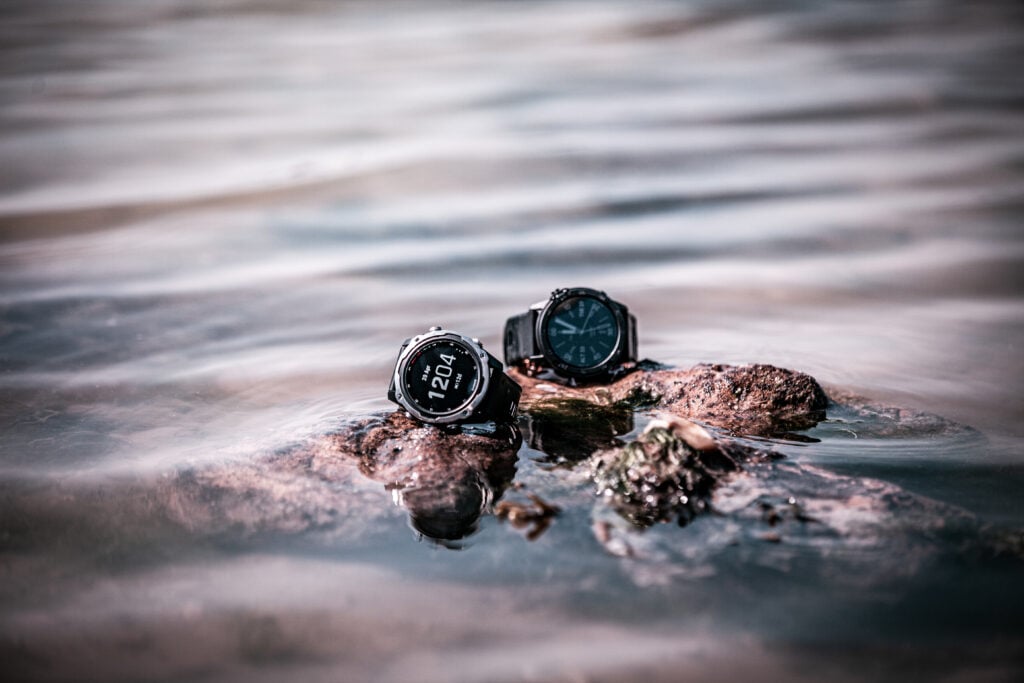
Wearables and Biometric Monitoring
Technology is creating new opportunities to understand human performance more objectively.
Wearable devices and monitoring systems can potentially provide data relating to areas such as physical activity, physiological load, recovery and other performance indicators.
Used appropriately, this information can help support a better understanding of how individuals respond to training and operational demands.
The value, however, lies not simply in collecting more data.
Data needs to be relevant, interpretable and capable of informing meaningful decisions.
The question should therefore not be:
What can we measure?
It should be:
What information will help us improve performance, readiness or decision-making?
This distinction becomes increasingly important as the number of available sensors and wearable technologies grows.
Injury Prevention and Rehabilitation
Injury affects both the individual and the organisation.
For the operator, it can reduce performance or remove them from operational duties entirely. At organisational level, injuries can affect readiness, training capacity and the availability of experienced personnel.
Human-performance programmes can therefore include approaches intended to improve physical preparation, identify areas of vulnerability and support effective rehabilitation.
Equipment also forms part of this picture.
Footwear, load carriage, clothing and protective systems all interact with the body, reinforcing the need to consider the operator and their equipment together rather than as separate procurement decisions.
Human Performance and Soldier Systems
Human Performance and Soldier Systems are closely connected.
A modern integrated soldier system brings together multiple elements of equipment around an individual operator. But integration should mean more than ensuring that different pieces of equipment physically fit together.
The system should also work with the human being using it.
This means asking:
Does the equipment restrict movement?
Is weight distributed effectively?
Can critical equipment be accessed easily?
How does the system perform in extreme heat or cold?
Does it fit different body shapes appropriately?
What happens to the operator after wearing it for several hours?
How does the complete system affect fatigue and mobility?
These questions shift capability development away from evaluating products independently and towards understanding operational performance as a whole.
From Equipment Procurement to Human Capability
This has implications for procurement.
Traditional equipment procurement can encourage individual requirements to be considered independently: footwear as one requirement, clothing as another, armour as another and load carriage as another.
Each component may perform well against its individual specification.
But that does not necessarily mean they will create the optimum overall system.
A capability-led approach considers the interaction between equipment and the operator from the outset.
It can bring together equipment selection, integration, testing, training and human-performance considerations around the operational outcome that needs to be achieved.
That is a fundamentally different question from simply asking which product performs best in isolation.
Human Performance at Level Peaks
Level Peaks works across equipment, integration, training, research and development, consultancy and procurement support.
Human Performance extends this capability by putting the operator at the centre of the system.
This can encompass physical training and sustainment, injury prevention and recovery, monitoring systems, wearables and biometrics, nutrition and hydration, alongside consideration of how equipment and environmental conditions influence operational performance.
The objective is not simply to make personnel fitter.
It is to help organisations develop more resilient, effective and operationally ready people as part of an integrated capability.
Because ultimately, the effectiveness of even the most advanced equipment still depends on the person expected to carry, wear and operate it.
Frequently Asked Questions
What is human performance in defence?
Human performance in defence concerns the physical, cognitive and physiological ability of personnel to perform operational tasks effectively. It can encompass physical conditioning, fatigue, recovery, nutrition, hydration, environmental stress, equipment load and performance monitoring.
Why is human performance important to military capability?
Military capability ultimately depends on people being able to use equipment and systems effectively. Fatigue, excessive equipment weight, poor fit, environmental stress or inadequate recovery can all affect operational performance.
What is the relationship between soldier systems and human performance?
The operator is at the centre of the soldier system. Clothing, armour, load carriage, footwear and other equipment can influence mobility, fatigue, thermal burden and physical performance, so they need to be considered as an integrated system.
How does equipment weight affect soldier performance?
Additional weight can increase physical effort and energy expenditure and may affect mobility and endurance. Effective load carriage therefore involves considering both the total load and how that load is distributed around the operator.
Why is equipment fit important?
Correct fit can affect movement, equipment positioning, comfort and the ability to perform operational tasks. Different body shapes may also require different equipment designs, making fit particularly important when developing solutions for diverse personnel.
How are wearables used in human performance?
Wearable technologies can provide data that helps organisations understand aspects of physical activity, physiological demand and recovery. Their value depends on collecting relevant information and translating it into useful decisions.
What is operational readiness?
Operational readiness describes the ability of personnel and units to perform the tasks required of them. Human performance contributes to readiness through physical preparation, recovery, injury management, nutrition, hydration and other factors affecting the operator’s ability to perform.
Is human performance just another term for military fitness?
No. Fitness is one component of human performance. Human performance takes a wider view that can include physical conditioning, cognitive performance, fatigue, recovery, nutrition, hydration, environmental factors, equipment interaction and readiness.