
When choosing military equipment, procurement teams should assess operational requirements, compatibility with existing systems, user suitability, evidence of performance, through-life costs and the support needed to keep equipment available.
The starting point is a clear understanding of the task. What must personnel be able to do, under what conditions, and how will the organisation establish that the equipment meets that requirement?
Answering those questions creates a stronger basis for comparing products, planning trials and making an evidence-based procurement decision.

2025
1. Define the operational requirement
A specification can describe a product in considerable detail without explaining what successful use looks like.
For example, a requirement for an observation device might specify weight, dimensions and battery endurance. Procurement teams also need to establish who will use it, how long they will use it for, what conditions it must withstand and how information will reach other personnel.
A useful requirement should distinguish between:
- Essential capabilities that equipment must provide.
- Desirable features that offer additional value.
- Constraints such as size, power, delivery dates and budget.
- Acceptance criteria that can be demonstrated during evaluation.
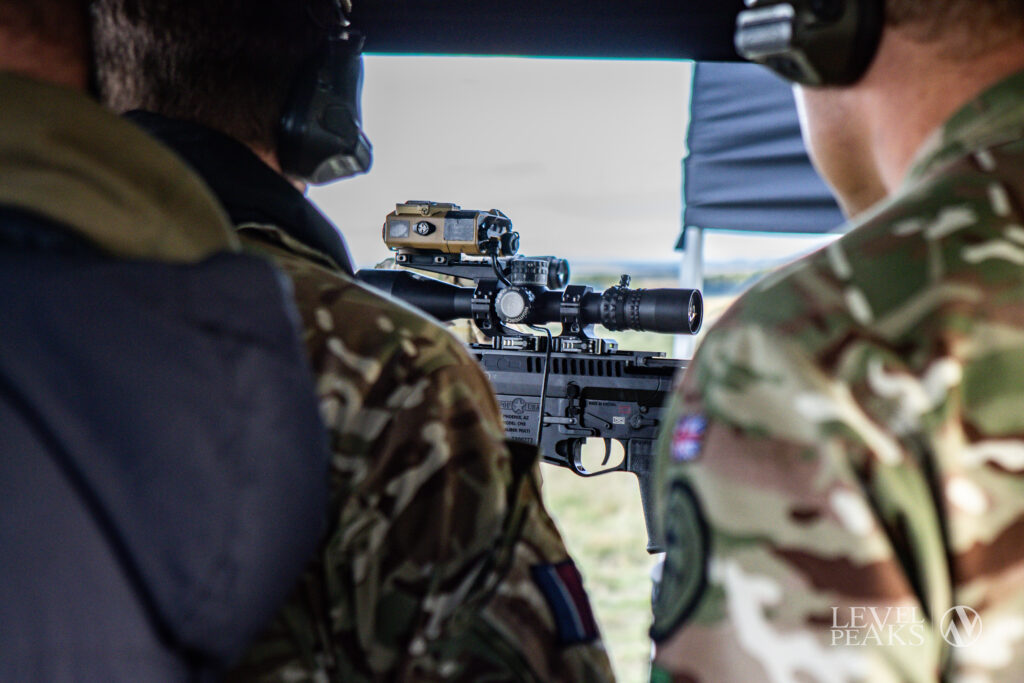
SNIPER SYMPOSIUM
This distinction helps teams judge whether an additional feature addresses a real need and whether a proposed compromise is acceptable.
2. Establish what compatibility means in practice
A claim that equipment is “compatible” needs a clear definition.
Physical fit is one consideration. Electrical connections, software versions, data formats and operating procedures may also affect whether two systems can work together.
Procurement teams should identify the equipment and configurations already in service, then ask suppliers to explain which combinations have been tested.
For an electronic device, useful questions include:
- Which batteries, chargers and interfaces are supported?
- Are additional adaptors, cables or software licences required?
- Does compatibility depend on a particular software version?
- Who is responsible for resolving an interface problem?

Recording these dependencies makes the proposed solution easier to evaluate and support. Level Peaks’ article on defence equipment integration explores the wider relationship between individual products and operational capability.
3. Assess suitability across the intended users
Equipment evaluation should reflect the people who will use, carry, maintain and store it.
For worn equipment, the assessment should include the intended range of body sizes and shapes. For handheld or electronic systems, teams should consider controls, visibility, adjustment and use alongside other issued equipment.
A trial involving one experienced demonstrator may leave important questions unanswered. Can a new user complete the same task after the planned training? Can personnel operate the controls while wearing the required gloves? Can maintainers inspect and service the equipment using available facilities?
Include representative users early, and record the circumstances behind their feedback. A comment that equipment is difficult to use becomes more useful when it identifies the task, configuration and conditions involved.
4. Ask for evidence that matches the requirement
Product literature is a starting point for evaluation. Procurement decisions need evidence relevant to the proposed use.
When reviewing test reports, establish which product version was tested, what conditions were applied and what the results demonstrate. Check whether accessories or configuration changes affect the relevance of that evidence.
Claims such as “rugged”, “lightweight” or “long endurance” should lead to specific questions.
What was the measured weight with the required accessories? Under what operating conditions was endurance assessed? What inspection or maintenance followed environmental testing?
These questions help teams compare like with like and identify where additional evaluation is needed.

5. Plan trials around an acceptance decision
Before a trial begins, agree what decision its results will support.
A demonstration may establish that a feature works. An acceptance trial needs defined criteria, an appropriate test configuration and a consistent way to record results.
For example, an equipment issue-and-return trial could examine whether personnel can identify the correct items, check serviceability and prepare them within the required time. It could also reveal missing labels, unsuitable storage or unclear instructions.
Record failures and workarounds alongside successful outcomes. If a supplier changes the equipment after a trial, identify which checks need to be repeated.
This creates a traceable connection between the requirement, the evidence and the final decision.
6. Compare through-life costs
Purchase price is only one part of the financial assessment.
Build a cost model that reflects the intended quantity, usage and service period. Depending on the equipment, this may include accessories, consumables, training, inspection, repairs, software, storage and disposal.
Ask suppliers to separate included items from optional or recurring charges. A quotation should make clear whether the proposed package includes everything needed to introduce the equipment into service.
Where future costs are uncertain, document the assumptions and examine how changes would affect the comparison. A different repair rate or replacement interval may alter the apparent value of an option.
Considering equipment and its support together also aligns with the through-life approach described in the MOD’s Support Advantage Charter.

7. Confirm the delivery and support arrangements
A delivery date should be connected to a credible introduction plan.
Confirm whether quoted lead times apply to the complete order, an initial batch or equipment awaiting further configuration. Establish how shortages, substitutions and changes will be communicated.
Support arrangements deserve the same attention:
- Who receives and diagnoses a fault?
- Where are repairs carried out?
- What turnaround is proposed?
- Which spares can the customer hold?
- How will discontinued components be managed?
Responsibilities should be clear before equipment enters service. Procurement teams also need to understand what happens when the original warranty ends.
8. Set a realistic date for operational readiness
Receiving equipment and being ready to use it are separate milestones.
The introduction plan should identify the training, documentation, facilities and support arrangements needed before deployment. Assign an owner to each activity and check that its timing matches the delivery schedule.
Agree how changes will be controlled after acceptance. A replacement component or software update may require revised instructions, additional training or further checks.
Keeping an accurate record of the accepted configuration provides a reference for future orders and support decisions.
How Level Peaks supports equipment procurement
Level Peaks brings together end-users, procurement teams and original equipment manufacturers to assess solutions against operational demands. Its approach combines practical experience with collaboration, training, servicing and ongoing support.
Early discussion can help establish the requirement, identify integration questions and clarify the evidence needed to evaluate a proposed solution.
For procurement teams, the objective is a well-supported decision: equipment that meets the task, suits its users and can be sustained throughout its intended service life.
Contact Level Peaks to discuss your operational equipment requirements.