
Modern defence capability depends on far more than selecting the right individual pieces of equipment. A weapon, communications system, load carriage solution, protective equipment or surveillance device may perform exceptionally well in isolation, but operational effectiveness depends on how well those systems work together.
This is where defence equipment integration becomes critical.
Equipment integration is the process of ensuring that different technologies, systems and equipment operate effectively together, while also working with the personnel who use them and the wider operational environment in which they are deployed.
For defence organisations, effective equipment integration can improve operational capability, reduce unnecessary equipment burden and help ensure that new technology enhances rather than complicates the mission.
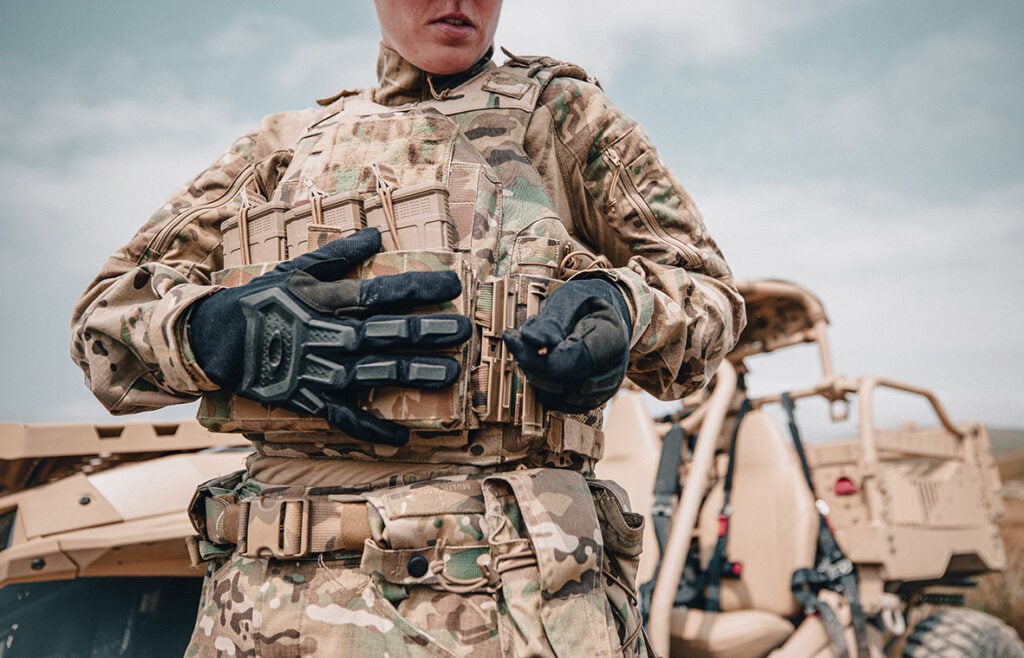
What is defence equipment integration?
Defence equipment integration is the process of combining individual items of military equipment into a coherent operational system so that they work effectively together and support the intended mission.
This can involve integrating equipment across areas such as:
- communications and data
- weapons and targeting systems
- surveillance and observation
- personal protective equipment
- power and battery systems
- load carriage
- clothing and environmental protection
- navigation and situational awareness
- uncrewed and autonomous systems
- specialist mission equipment
The objective is not simply compatibility.
Effective integration considers the combined effect of equipment on the user, the mission and the wider force. That can include physical compatibility, interoperability, power requirements, data exchange, weight, ergonomics, training, logistics and sustainment.
This becomes particularly important when equipment from different manufacturers, programmes or procurement cycles must operate together.
Why is equipment integration important?
Equipment integration is important because operational capability is determined by the performance of the overall system, not simply by the quality of its individual components.
Adding new equipment can provide additional capability, but it can also introduce new demands.
A new electronic system may require additional batteries. Those batteries add weight. The device may require another cable or control unit. It may occupy space already needed by other equipment. It may affect how body armour or load carriage is configured. It may require additional training and create another system that must be supported in the field.
Viewed individually, each requirement may appear relatively minor. Viewed as part of the complete system carried and operated by the user, their combined effect can be significant.
Equipment integration therefore asks a broader question:
Does the complete system make the operator and organisation more operationally effective?
That distinction is central to developing genuine defence capability.
What is the difference between equipment and capability?
Equipment is an individual product, technology or system. Capability is the ability to achieve a required operational effect.
The two are closely related, but they are not interchangeable.
A defence organisation may procure advanced equipment without necessarily creating the desired operational capability. The equipment must also be integrated with existing systems, doctrine, training, people, logistics and operational procedures.
For example, introducing a new surveillance device does not automatically create improved situational awareness. The information it generates must be accessible to the right people, at the right time and in a format that can support decision-making.
Similarly, reducing the weight of one piece of soldier equipment will have limited impact if additional systems elsewhere increase the overall carried load.
This is why modern defence procurement increasingly needs to consider the complete capability rather than evaluating products solely as individual items.
How does equipment integration improve operational effectiveness?
Successful integration can improve operational effectiveness in several interconnected ways.
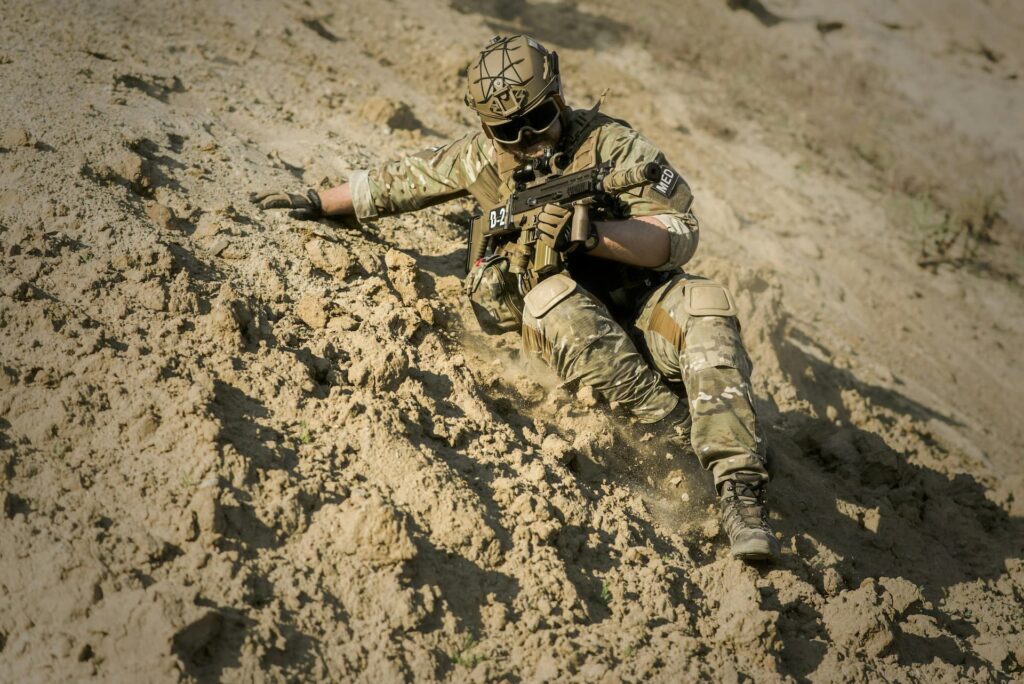
1. Improving interoperability
Military personnel rarely operate a single system in isolation.
Communications equipment may need to interface with hearing protection, command systems, sensors and other networks. Targeting equipment may need to exchange information with other platforms. Power systems may support several devices simultaneously.
Integration helps identify where equipment needs to connect physically, electronically or digitally and whether those connections will work reliably in an operational environment.
2. Reducing equipment burden
Modern personnel can be required to carry considerable quantities of equipment.
Protection, communications, ammunition, power, water, medical equipment, sensors and mission-specific systems all compete for limited space and weight.
Adding capability without considering the complete load can increase fatigue and restrict mobility.
Equipment integration provides an opportunity to identify duplication, consolidate systems and consider whether equipment can perform multiple functions. This makes load optimisation part of capability development rather than an afterthought.
3. Supporting human performance
The relationship between equipment and the person using it is fundamental.
Equipment that restricts movement, adds unnecessary weight, increases heat burden or is difficult to operate can affect human performance even if the technology itself works correctly.
Integration therefore needs to consider ergonomics, accessibility, comfort and the physical and cognitive demands placed on personnel.
This is particularly important for dismounted personnel, where almost every capability ultimately has to be carried, worn or operated by an individual.
Why does equipment integration matter for modern soldier systems?
The modern soldier is increasingly a system of interconnected capabilities.
Protection, weapons, communications, sensors, power, clothing, load carriage and information systems all need to function around one person.
This makes integration particularly important.
Body armour, for example, cannot be considered independently of load carriage. Communications equipment must work with hearing protection and other worn systems. Batteries and cables need to be positioned without obstructing movement or access to essential equipment.
New technology also creates competition for space, power and attention.
As soldier systems become increasingly connected and data-driven, simply adding another device is rarely the complete answer. The effect of that device on the whole system needs to be understood.
Effective integration can therefore help defence organisations create mission-ready equipment configurations rather than collections of individually capable products.
What role does human performance play in equipment integration?
Human performance should be considered throughout the integration process because the operator is ultimately part of the system.
Weight provides an obvious example.
An additional piece of equipment may offer a clear tactical advantage, but its value must be considered against the additional burden it places on the person carrying it. The effect may include greater fatigue, reduced mobility or increased thermal load.
The same principle applies to complexity.
If several systems require separate controls, displays, batteries or operating procedures, the cognitive burden placed on the user can increase.
Good integration therefore seeks to maximise useful capability while reducing unnecessary physical and cognitive demands.
This is one reason why equipment integration and human performance in defence are increasingly interconnected areas of capability development.
How can integration improve equipment procurement?
Considering integration earlier in the procurement process can help organisations assess equipment against operational requirements rather than simply against product specifications.
Questions might include:
Will the equipment work with systems already in service?
Does it introduce additional weight, power or training requirements?
Can it share power, data or components with existing equipment?
How will personnel carry, wear or operate it?
Does it duplicate a capability already provided elsewhere?
What additional logistical and support requirements does it create?
These questions can help procurement teams understand the wider implications of introducing a new product.
This is particularly important where equipment is likely to remain in service for many years while other parts of the system continue to evolve.
Why is open architecture important for military systems integration?
Defence technology develops quickly, while major equipment programmes can remain in service for decades.
Systems that can only operate within a closed or highly specific technical environment can therefore create integration challenges later in their service life.
Open architectures, common interfaces and interoperable standards can make it easier to introduce new technologies without redesigning the entire system around them.
This can support a more modular approach to military systems integration, where components can be upgraded or replaced as operational requirements and technologies evolve.
The objective is not simply technological flexibility. It can also help organisations avoid creating isolated capabilities that are difficult or expensive to integrate with the wider force.
What happens when defence equipment is poorly integrated?
Poor integration can create problems that may not become apparent when individual products are evaluated separately.
These can include:
- duplicated equipment
- incompatible components
- excessive carried weight
- multiple battery types and chargers
- unnecessary cables and connectors
- restricted movement
- increased training requirements
- fragmented information
- additional logistical burden
- reduced interoperability
Individually, these may appear to be equipment issues. Collectively, they can affect operational readiness and mission effectiveness.
This is why integration should not be treated simply as a technical exercise conducted after procurement.
It should form part of capability planning from the outset.
From equipment supplier to capability partner
The increasing complexity of defence systems is also changing the relationship between defence organisations and their suppliers.
Traditional procurement can focus on supplying a defined product against a particular requirement. A capability-led approach looks more widely at what the organisation is trying to achieve operationally.
That requires understanding the equipment already in service, how personnel operate, the environment in which the system will be used and how a new solution fits within the wider capability.
A defence capability partner can therefore help identify and integrate appropriate solutions rather than approaching each requirement purely as an isolated equipment purchase.
For organisations such as Level Peaks, this means working across equipment categories and manufacturers to consider how different components contribute to the complete operational requirement.
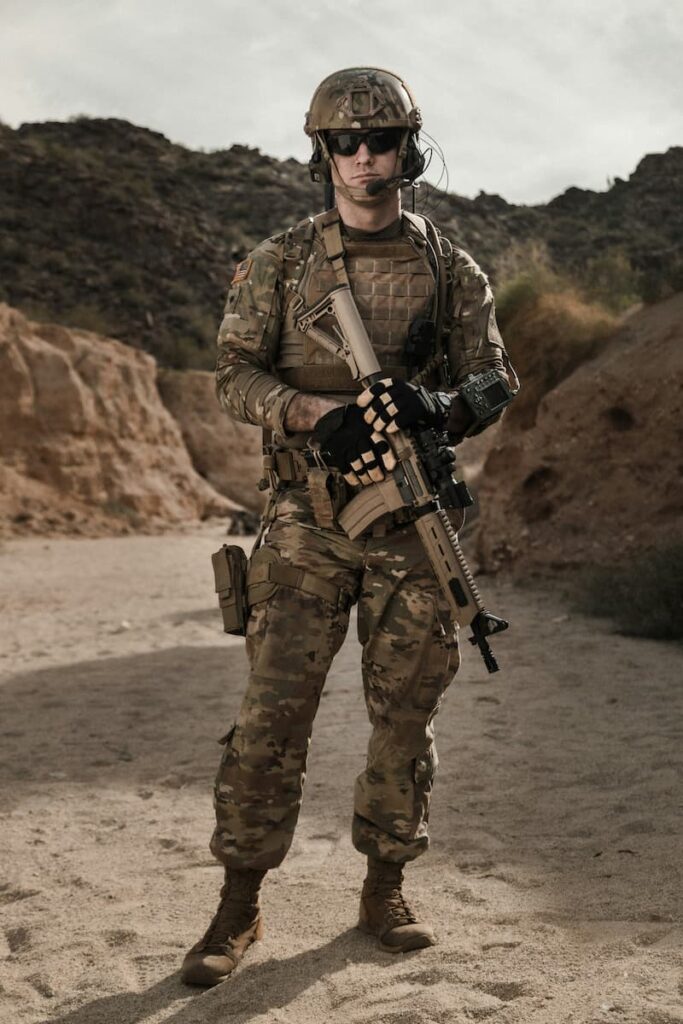
Building integrated operational capability
The value of defence equipment ultimately comes from what it enables people and organisations to achieve.
As soldier systems become more connected, autonomous technologies develop and increasing amounts of information reach the battlefield, effective integration becomes even more important.
The objective should not be to add technology for its own sake.
It should be to create integrated operational capability in which equipment, people and systems work together effectively.
For defence organisations, that means considering interoperability, human performance, weight, power, data, training and sustainment alongside the performance of the individual product.
Because the most advanced equipment does not necessarily create the most effective force.
The real measure is how well the complete system performs when it matters.